
How to Visit the Lava River Cave




Disclosure: I may earn a small commission on links at no cost to you.
Oregon’s largest known lava tube is in Newberry National Volcanic Monument. It extends over a mile underground, at one point passing 80 feet below US-97. With high ceilings and broad passages, the cave would feel like a cathedral if the cold and damp didn’t infuse it with more than a hint of catacombs. Between the cave’s popularity and unique environment, it takes planning to visit. I’ll talk about how to prepare, from permits to gear, because you don’t want to be the person who wears sandals in a dark, rocky, freezing lava tube. Here’s everything you need to know about visiting the Lava River Cave.
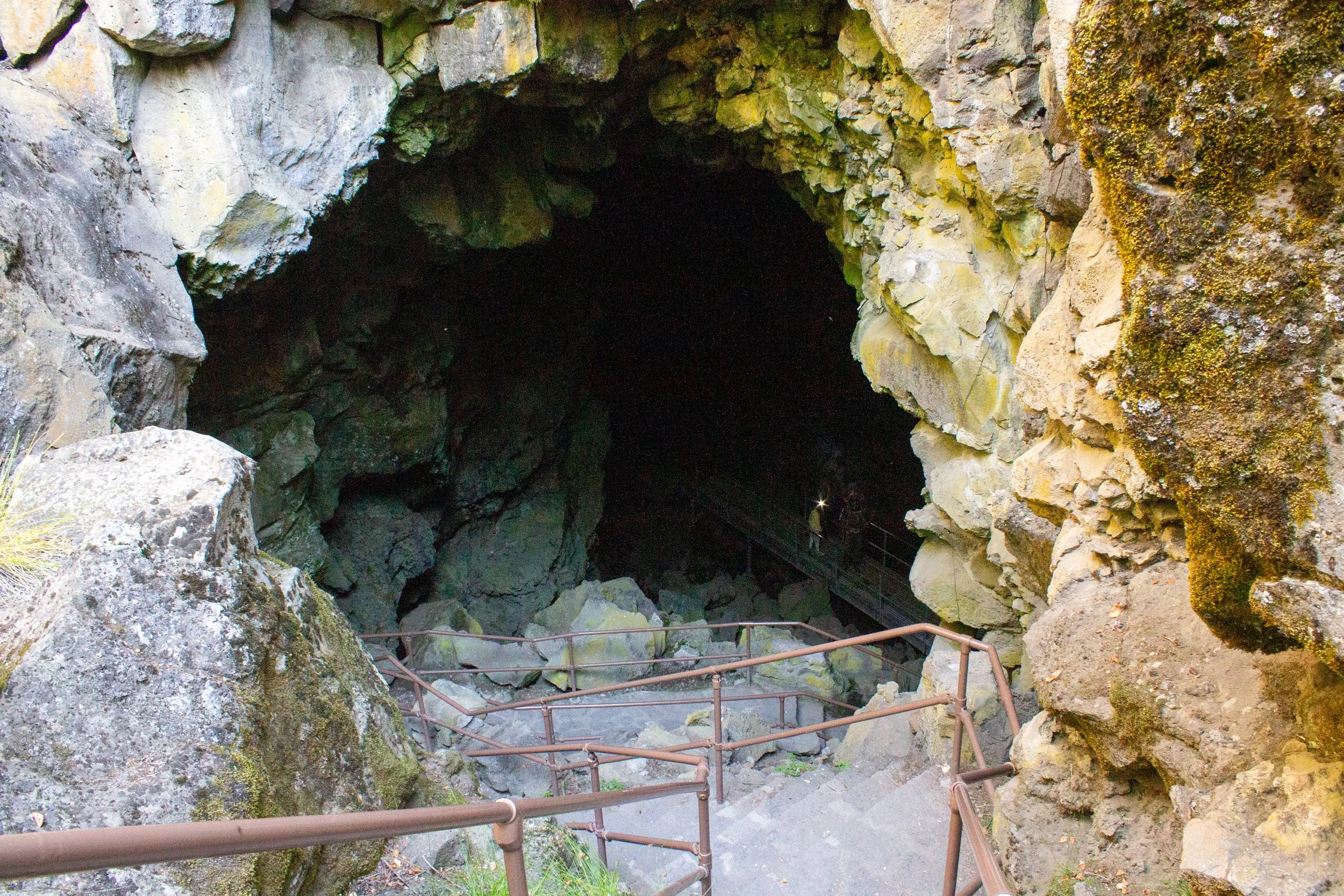
Lava River Cave entrance
When to visit the Lava River Cave
The Lava River Cave closes seasonally to protect bat habitat during hibernation. The cave is open to visitors from around mid-May through mid-September. The exact dates vary. Timed entry reservations are available from 10:00 AM to 2:00 PM in May and from 9:00 AM to 3:00 PM in all other months that the cave is open.
Pass and permits
You need two passes to visit the Lava River Cave:
Northwest Forest Pass or America the Beautiful Pass. If you don’t have an annual pass, you can purchase one on-site when you arrive. You can also buy one online ahead of time here. A day pass is $5/vehicle. You can use the same pass to access the other parts of the Newberry National Volcanic Monument.
A Timed Reservation Ticket. This pass takes a little planning. Here’s how to get one:
Create an account at recreation.gov or log into your existing account.
Search for Lava River Cave Timed Reservation Tickets.
Choose your date. Available dates will have the letter A and be shaded in blue.
Once you select the date, you can choose an available time. Select your time, then click on Request Tickets and complete the reservation. Timed reservations cost $2/vehicle. You will get a confirmation email once you’ve finished the reservation.
Have a printed or digital copy of your reservation to show to the ranger at the parking lot entrance. Arrive within 30 minutes of your reservation time and try not to stay longer than 2 hours past it.
The Forest Service opens up timed reservations on a rolling basis with a somewhat complicated explanation. Based on my experience using it, I’d suggest making your reservation at least 24 hours before you want to visit, including on weekdays. Although it takes more planning, this system is a big improvement on the previous one. People used to park illegally on the side of the road and wait in the car for an hour or more to enter the parking lot. Using the new system, I made a reservation for 9 AM and was in the park by 9:05 AM with plenty of parking available.
What to bring
Bring warm clothes. The Lava River Cave is about 42°F (5°C) all year long. You might feel silly carrying a jacket, hat, and gloves in the summer heat, but once you get in the cave, you’ll be grateful for every layer.
Wear closed-toed shoes. Hiking boots are ideal, but sneakers would be fine.
Have at least one good light. Two is better and is what the Forest Service recommends. Cell phone lights aren’t bright enough. Flashlights and headlamps are good options. You can rent a high-powered LED light before you enter the cave for $5/each.
Extra batteries for your lights.
Small day pack to carry water, keys, wallet, etc.
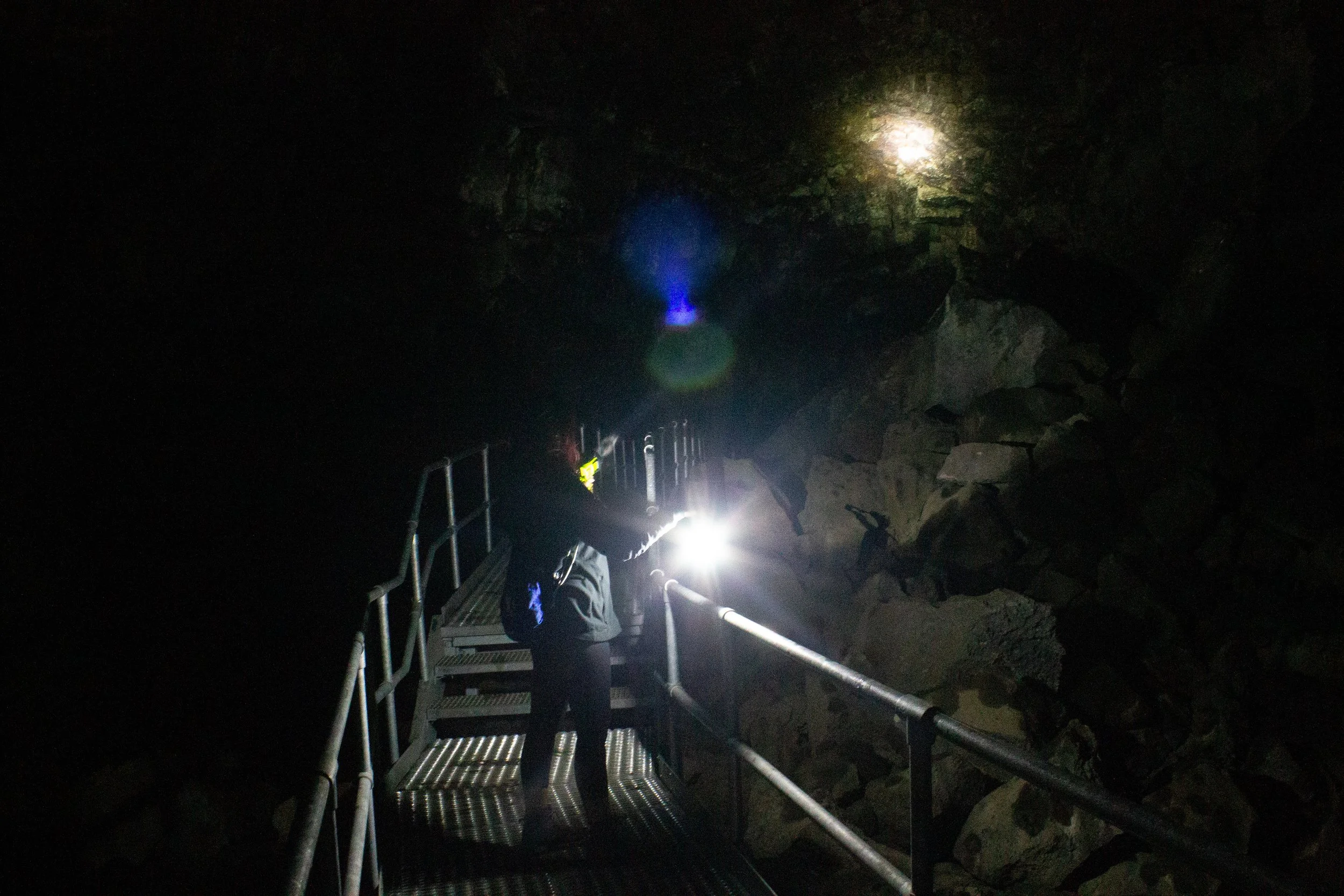
It’s helpful to have two light sources in the Lava River Cave
What not to bring
Don’t bring food or drink other than water into the Lava River Cave.
Pets are not allowed in the cave, and it’s not safe to leave them in the car.
To avoid the spread of White-nose syndrome in bats, don’t wear any clothes or shoes that you’ve worn in another cave or mine, even if you’ve washed the clothes multiple times since. While harmless to humans, a cave-loving fungus causes White-nose syndrome in bats and has killed millions of them in the United States. Remember which clothes you wore into the Lava River Cave so that you don’t wear them in any other cave in the future and inadvertently spread White-nose syndrome. I’d suggest taking a picture of your outfit.
Don’t bring child carrier backpacks. A few areas in the cave have low ceilings. The ground is too uneven for strollers.
What to expect
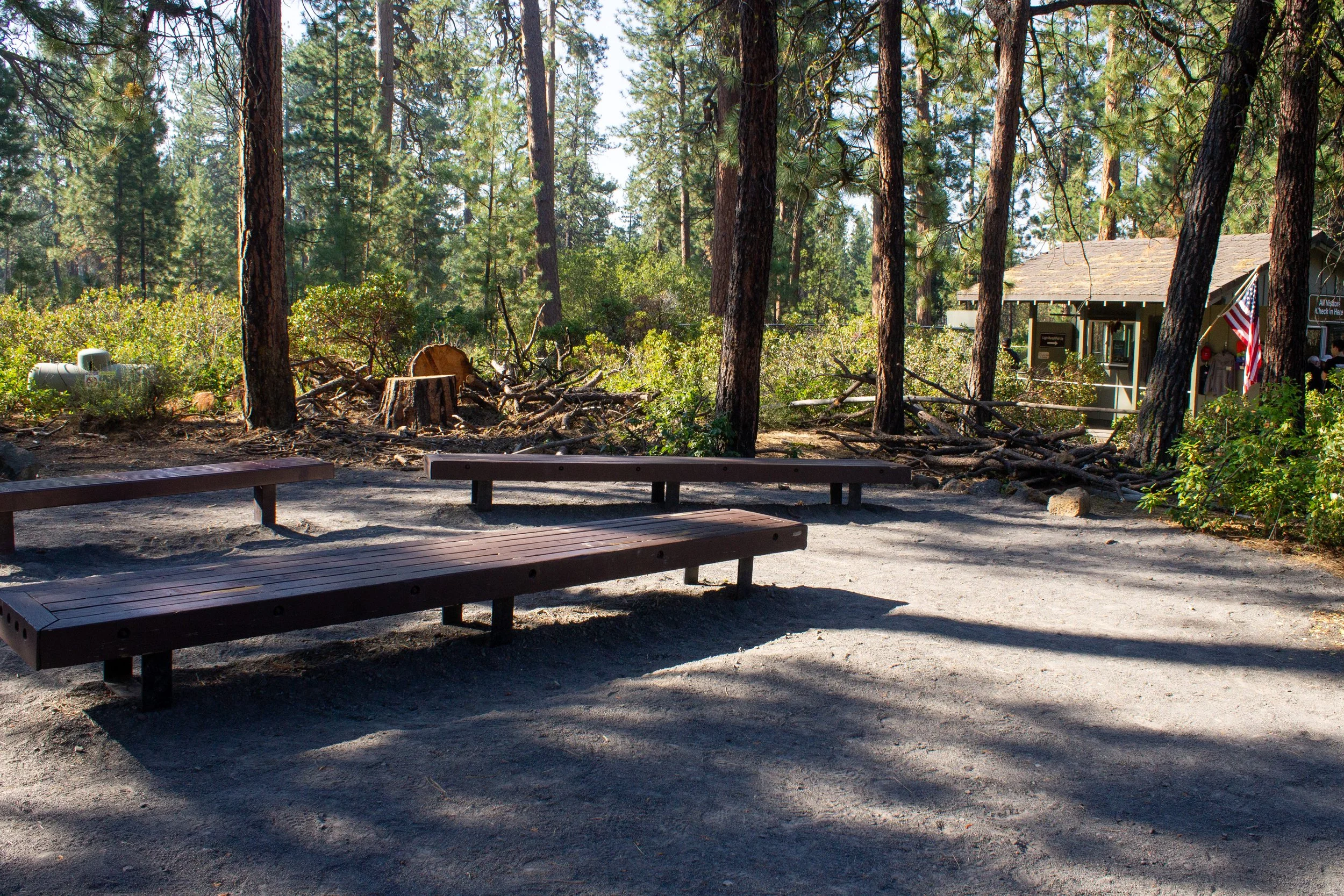
Benches for listening to the safety orientation
When you get to the park entrance, you’ll show your reservation to a ranger to enter.
After you park, you’ll hear a short orientation on cave safety. Then, you’ll line up to enter the cave. You can rent LED flashlights and buy a parking pass at the check-in booth near the cave entrance if needed.
Vault toilets are next to the parking lot. These are the only restrooms, so it’s a good idea to go before you enter the cave.
The Lava River Cave is not accessible if you use a wheelchair or assistive device. A set of stairs descends into the cave from the sidewalk, which has a fairly steep grade.
The Lava River Cave doesn’t have many low ceilings or narrow passages. It’s usually wide enough to pass others easily and tall enough to stand with plenty of headroom. There are a couple of places with lower ceilings, the lowest of which is about 4-5 feet high.
In the Lava River Cave
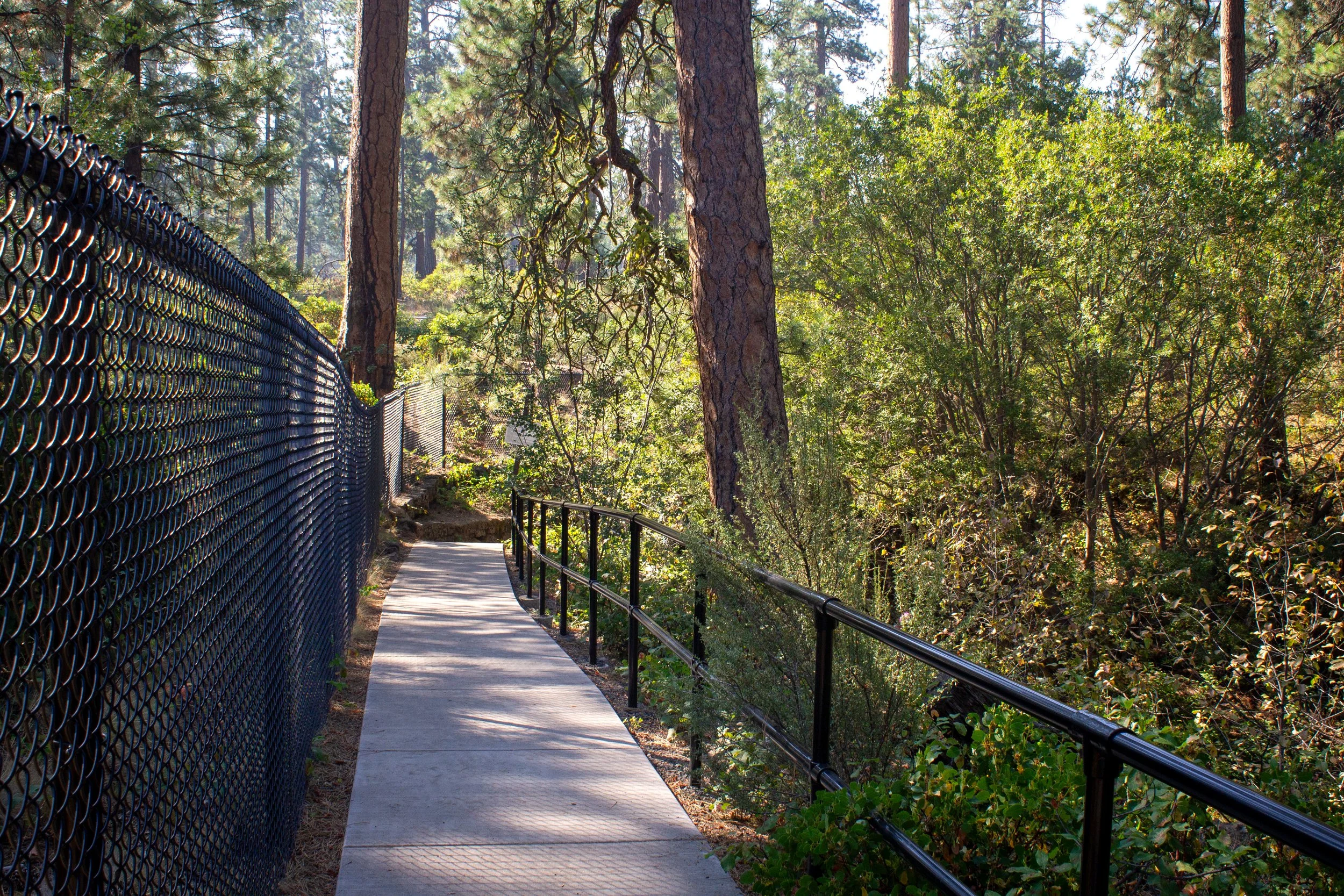
Path to the Lava River Cave entrance
And finally, your patience and preparation are about to be rewarded by a descent into a fascinating subterranean world. After checking in with the ranger in the booth and renting any gear you need, you’ll follow the sidewalk about 0.1 miles down to the mouth of the cave. Note the subtle change in the high desert vegetation as you approach the cave. Its chill and humidity are enough to impact the plant life growing at the entrance.
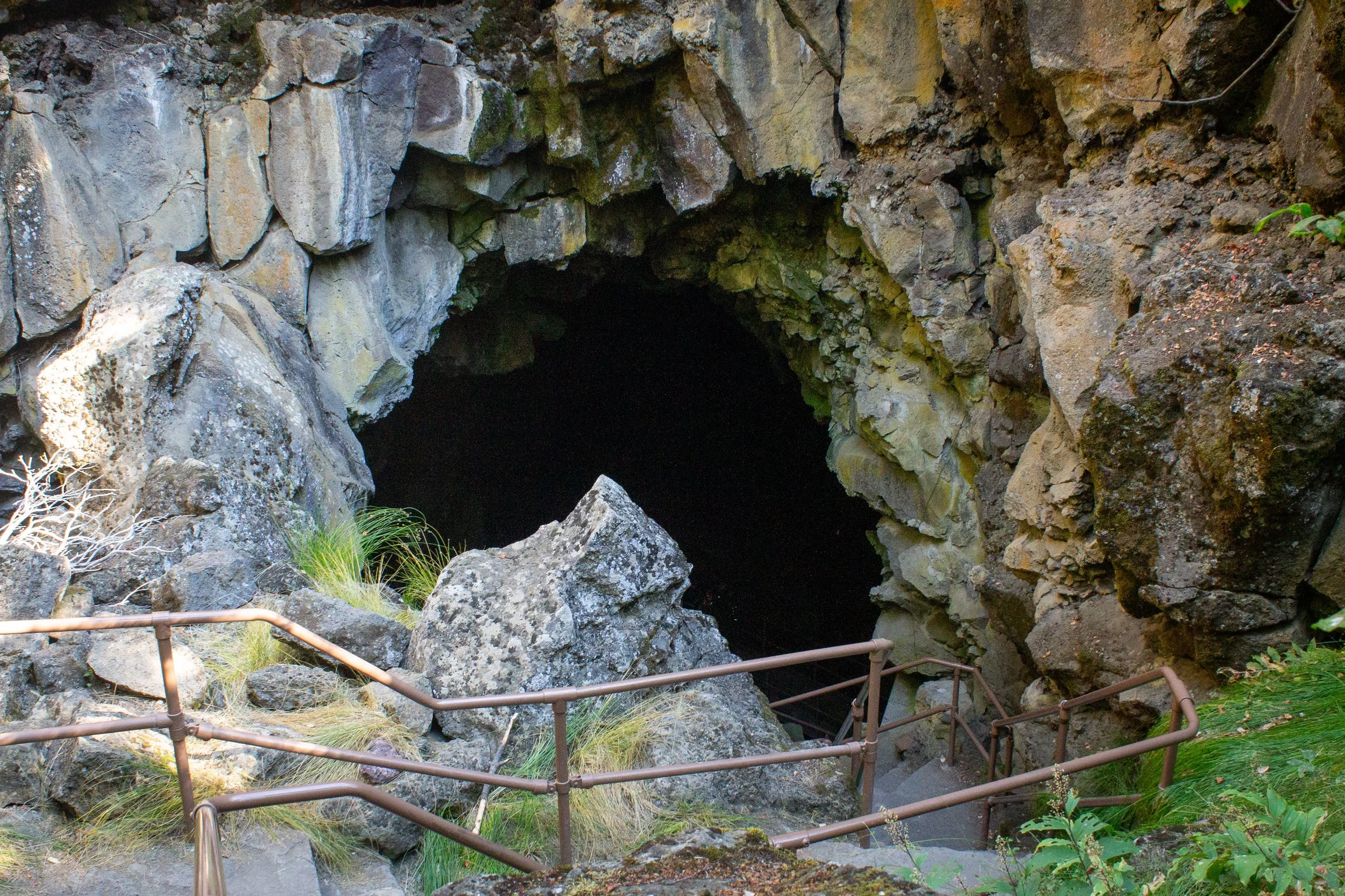
Entrance to the Lava River Cave
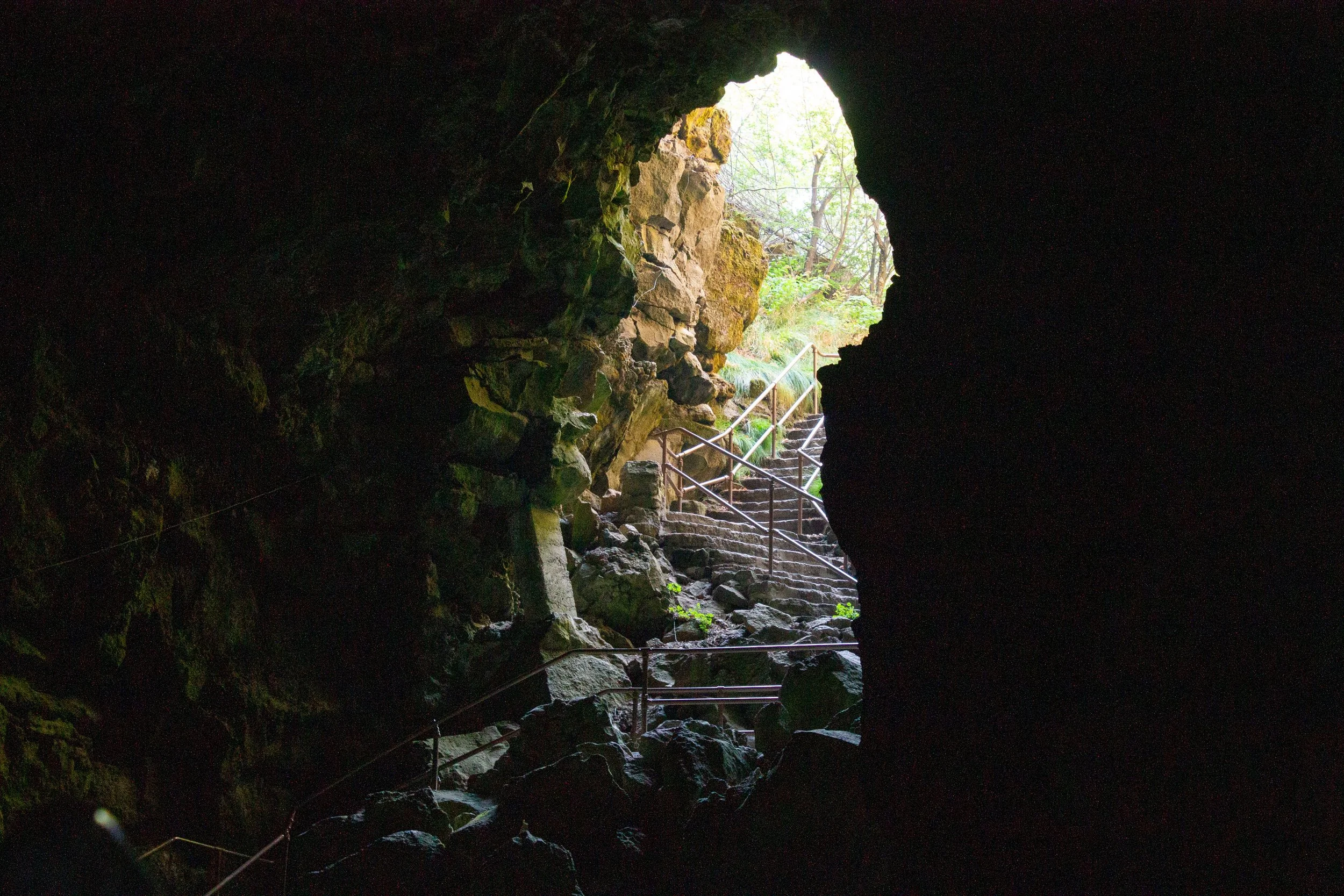
A long set of stairs will bring you down into the cave alongside piles of collapsed rock. You’ll soon want to don and zip up your layers as you move from the high desert heat to the temperature of a refrigerator.
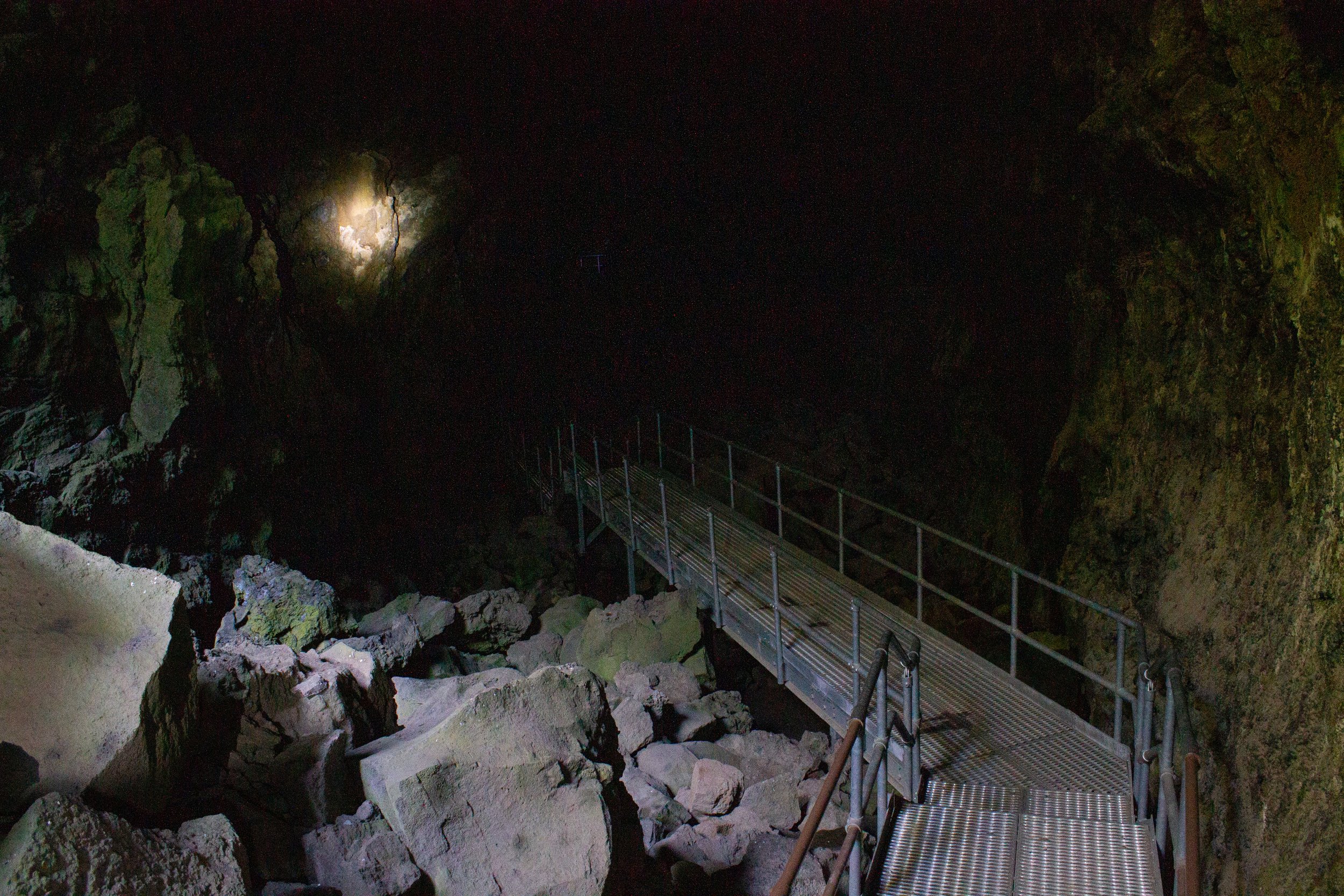
A metal walkway will take you over the rockpile at the cave entrance
The stairs lead to a metal walkway lined with railings. Once you’re past the fallen rocks, the remainder of the hike will be on a packed dirt floor. You’ll want to keep an eye out for unexpected rocks, holes, and ledges, but it’s a pretty easy walk. I expected a more difficult journey than I found.
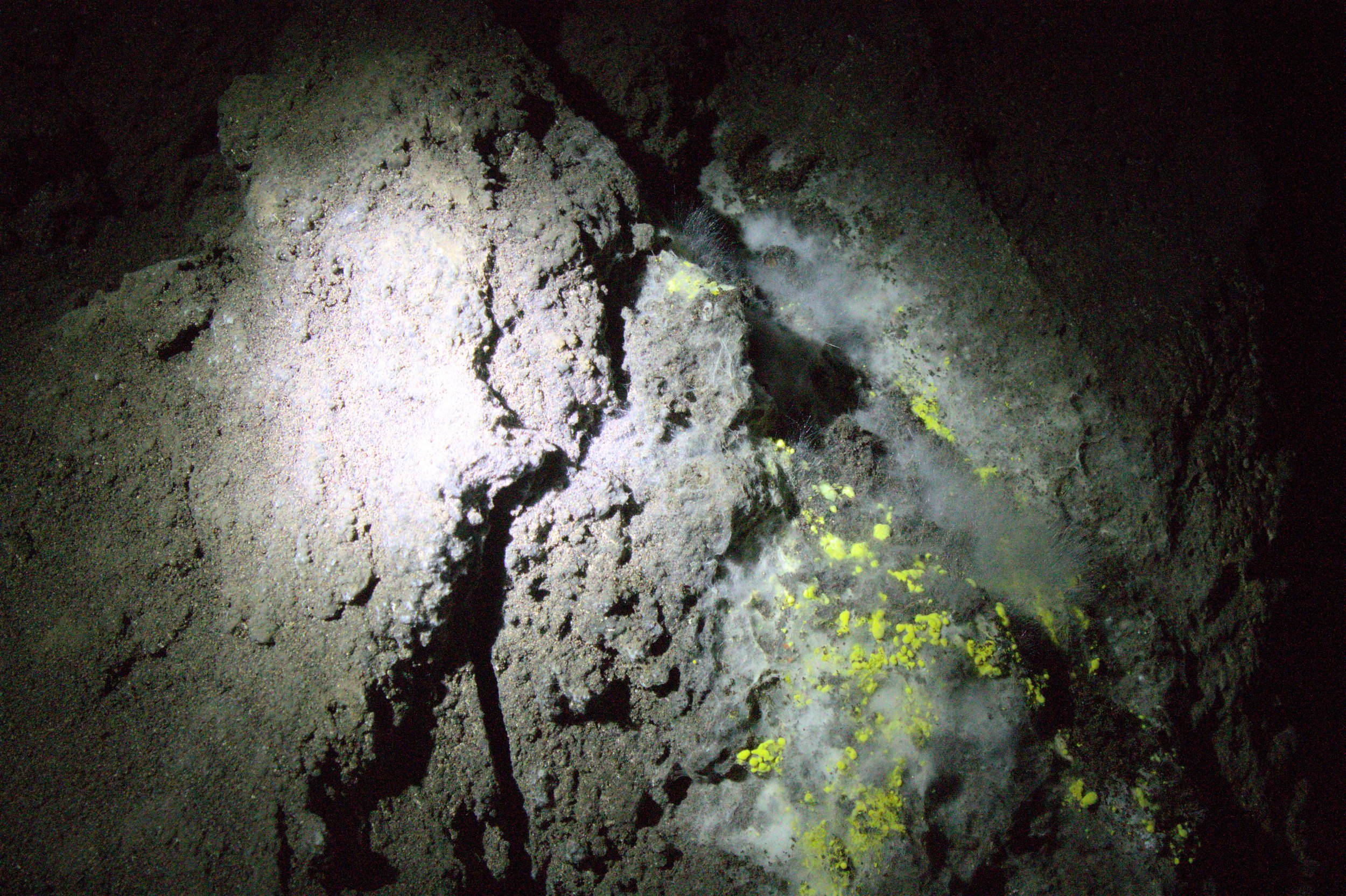
Besides geological features, look for life on the cave walls
You’ll soon leave behind the last of the natural light and continue on a path lit only by your flashlight or headlamps. Besides keeping your footing, these lights can help you look for the cave’s wildlife: bats, spiders, and albino millipedes. After the safety orientation, I was prepared to see the cave walls covered with fantastic cave creatures. The reality is that you will have to look carefully to see any. A visitor sees a bat only about once every 6 weeks. If you are lucky enough to see one, leave it be and note where it was so you can let a ranger know on your way out.

Spider in the Lava River Cave
About 0.25 miles from the cave entrance, you’ll reach a 50-foot-wide and 58-foot-tall area called Echo Hall, named for the impressive echoes it produces. Near its far end, you’ll pass underneath US-97. Look for an interpretive sign that describes some of the lava tube’s geologic features. Linear ridges on the cave walls indicate the level of lava flowing through the cave as it formed. Hanging lava stalactites, called lavacicles, formed from remelting rock.
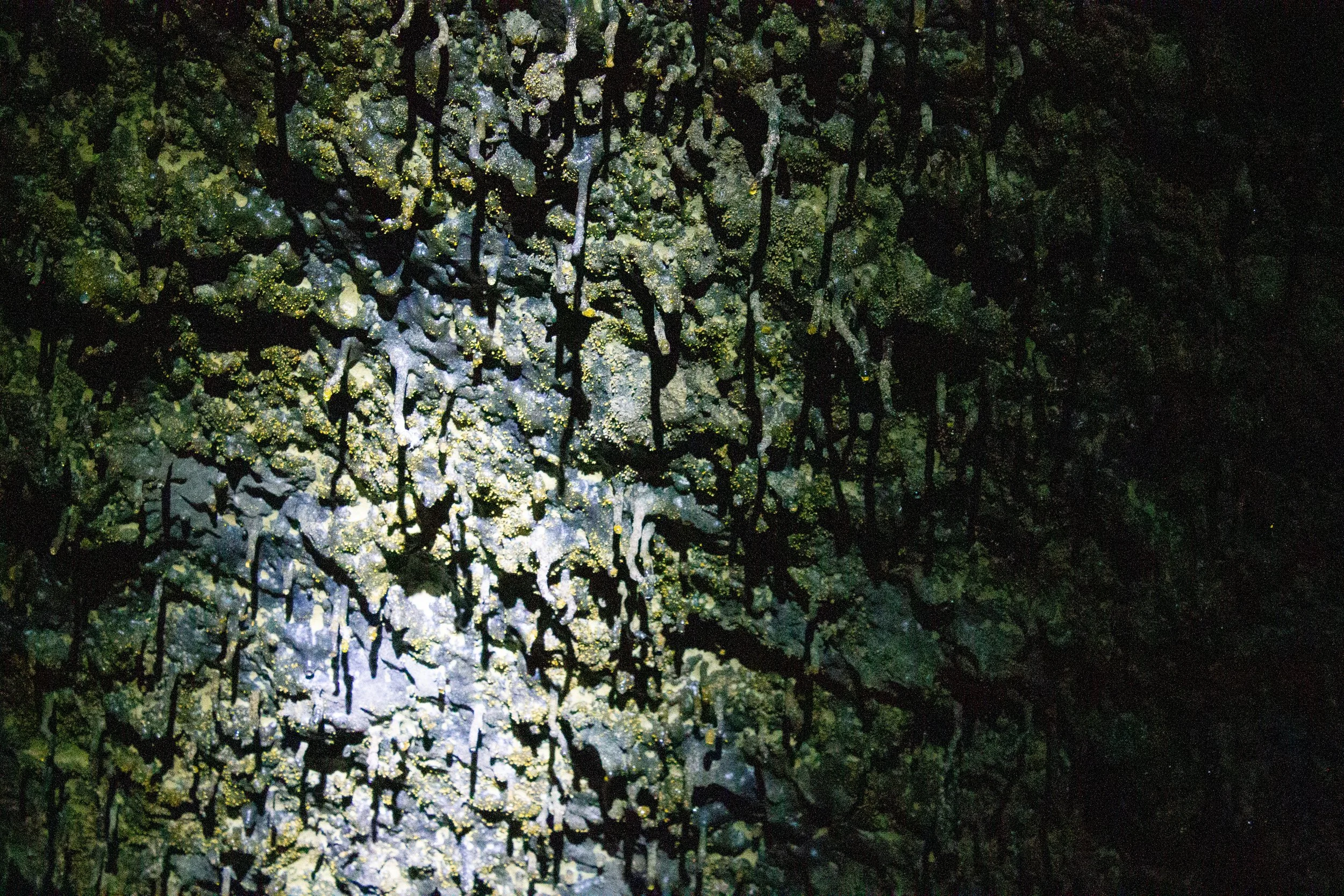
Lava rock stalactites are a sign of remelting
From here, the trail continues subtly downward until you reach the sign marking the end of the hike. Around the halfway point, you’ll pass through the Two Tube Tunnel, where a second, smaller lava tube formed within a larger one during a subsequent flow. Shortly after, look for the fence that surrounds the Sand Garden, an area where water drips from the ceiling and deposits sediment, creating unique structures. The Sand Garden is looking a bit sad these days after receiving too much attention from visitors, but a fence protects it now and may allow it to reform the intriguing spires of days past.
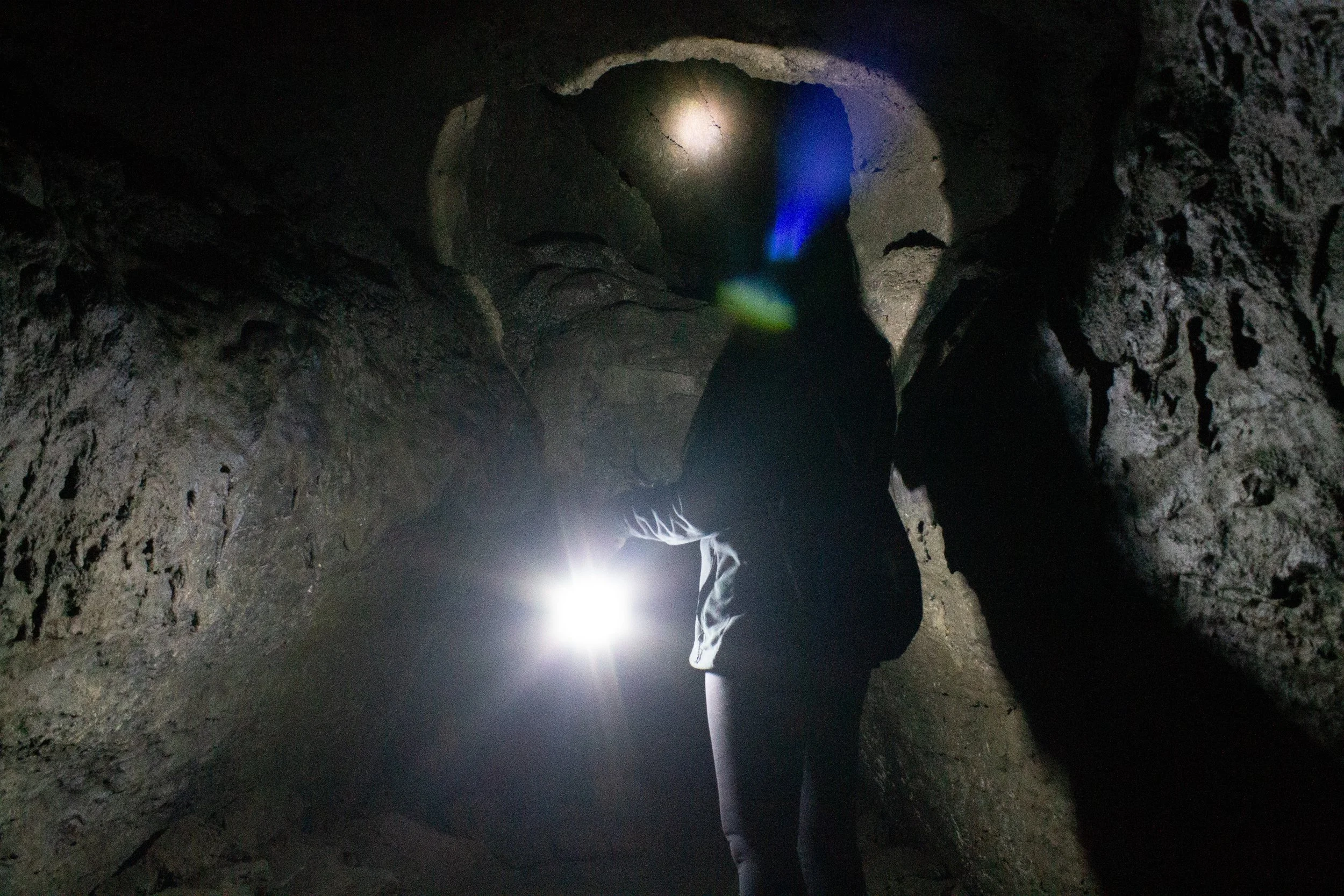
Two Tube Tunnel
At the end of the hike, you’ll reach a stop sign, which is the signal to turn around. You’ll notice the passage narrowing and the level of sand increasing toward the end. Past the sign, the hollow section of the tube ends in a sand plug that blocks further exploration. Don’t worry too much about making it to the stop sign. I bring this up because there were many small children in the cave when I visited, and some were doing better with the distance than others. Although interesting throughout, the changes in scenery are pretty subtle, so you won’t be missing any dramatic highlights if you turn around early.

Turn around when you reach this sign
Geology of the Lava River Cave
Basaltic lava flowing from Newberry Volcano formed the Lava River Cave. As the lava flowed downhill, its outer surface cooled before the interior, allowing still-molten lava to course through a hardened crust. After the eruption stopped, the remaining lava flowed out of the newly formed tube, leaving behind a massive, hollow tunnel beneath the earth. Only basaltic lava forms lava tubes because its low silica content makes it less viscous, producing runny lava flows.
When a portion of the lava tube’s ceiling collapsed, it created an opening to the surface. Freezing and thawing cycles make rocks less stable, and you’ll see the most fallen rocks near the cave entrance, where temperatures are more variable than below ground. The Lava River Cave extends in two directions from its main entrance. The longer section, about 6,000 feet long, heads northwest and is open to the public. The section heading southeast is about 1,500 feet long and is not considered safe enough for public exploration.
As you walk through the cave, notice the linear ridges along the walls that indicate the level of the lava as it passed through the tube. In other places, trapped hot gases remelted the tube walls and created small stalactites delightfully called lavacicles.

Ridges suggest the level of the lava flowing through the tube
Getting there
From Bend, take US-97 South for about 10 miles. Exit onto Crawford Rd/NF-9702. You’ll pass the entrance for Lava Butte, then take a left onto Cottonwood Rd. Take Cottonwood Rd for about a mile and look for the parking lot for the Lava River Cave on your right. The drive from Bend takes about 15-20 minutes. The drive from Portland takes about 3.5 hours.
The Lava River Cave is part of the Newberry National Volcanic Monument. Its attractions are spread out. Lava Butte is the closest, only a mile away from the Lava River Cave. The Newberry Caldera is about 30 minutes south.
Enjoy your trip through the Lava River Cave!
With love,
Emma
Explore nearby
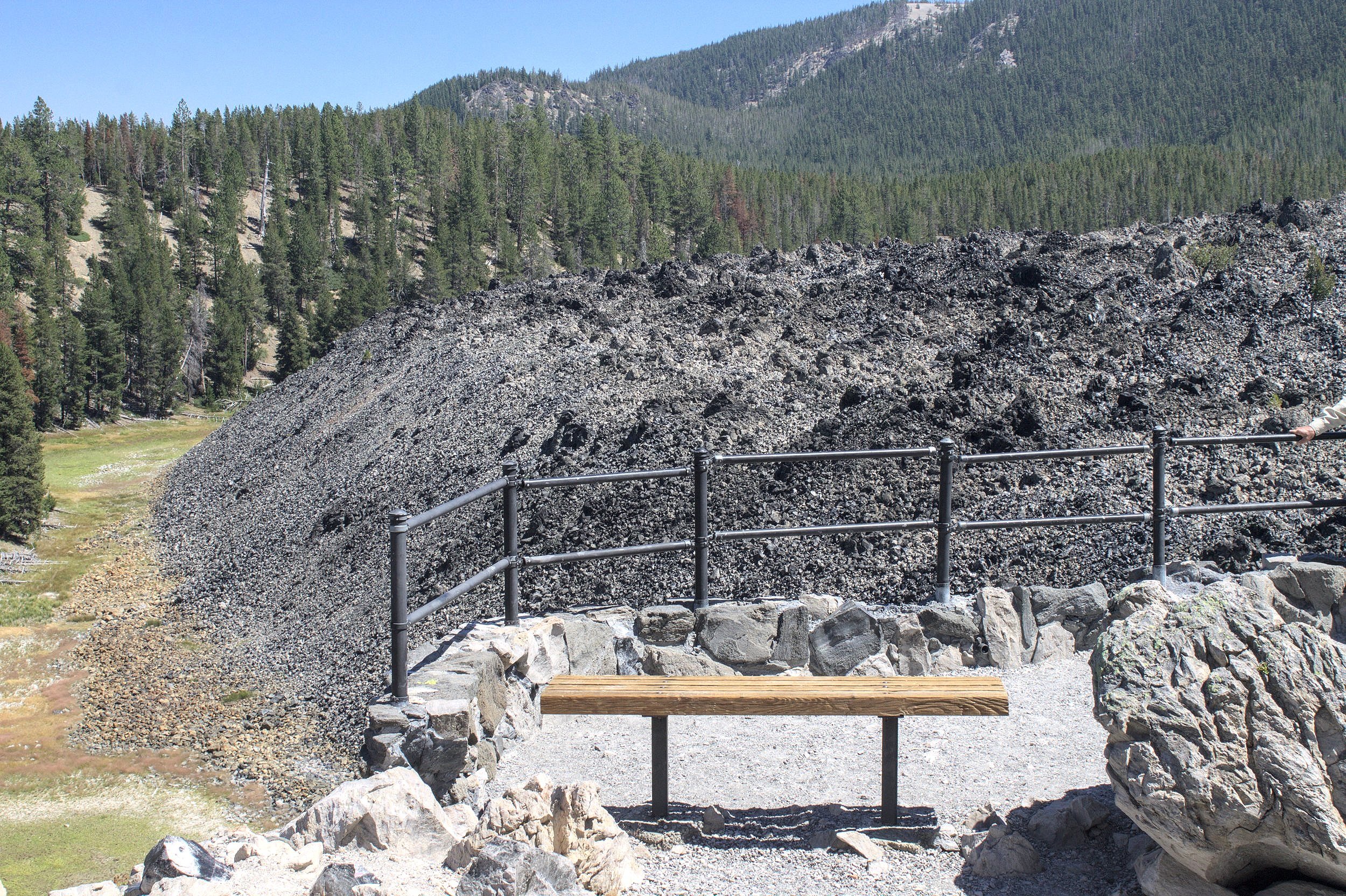
Learn more about the things to do at Newberry National Volcanic Monument.

Find the best short hikes near Bend.

Find more things to do in Central Oregon.
Reference:
Learn more about the history and geology of the Lava River Cave from the US Forest Service here.