
15 Wildlife-Watching Hotspots near Portland
Birdwatching was my Pacific Northwest winter distraction this year. Since I started, it’s gone from an excuse to get out of the house to a solid hobby. Here’s the result of many trips to wetlands, fields, and forests. The list is mostly bird-related, but I also threw in some other animal highlights, like elk or salmon, if they’re unusually good. The destinations are either within city limits or about an hour’s drive from downtown. Grab the binoculars. Here are the best places to look for wildlife around Portland.
Best hotspots by animal
Birds, overall: Ridgefield National Wildlife Refuge (#6)
Sandhill cranes: Sauvie Island (#5)
Bald eagles: Sauvie Island and Ridgefield NWR
Herons: Goat Island (#15)
Elk: Jewell Meadows (#12)
Fish: Bonneville Dam (#13)
Garter snakes: Wapato Lake National Wildlife Refuge (#9)
Nutrias: Everywhere. Go ahead and try not to see a nutria, I dare you.
I kept this list close to home, but if you're interested in sea life, check out my wildlife guide for the Oregon Coast.
Wildlife hotspots in Portland
1. Crystal Springs Rhododendron Garden
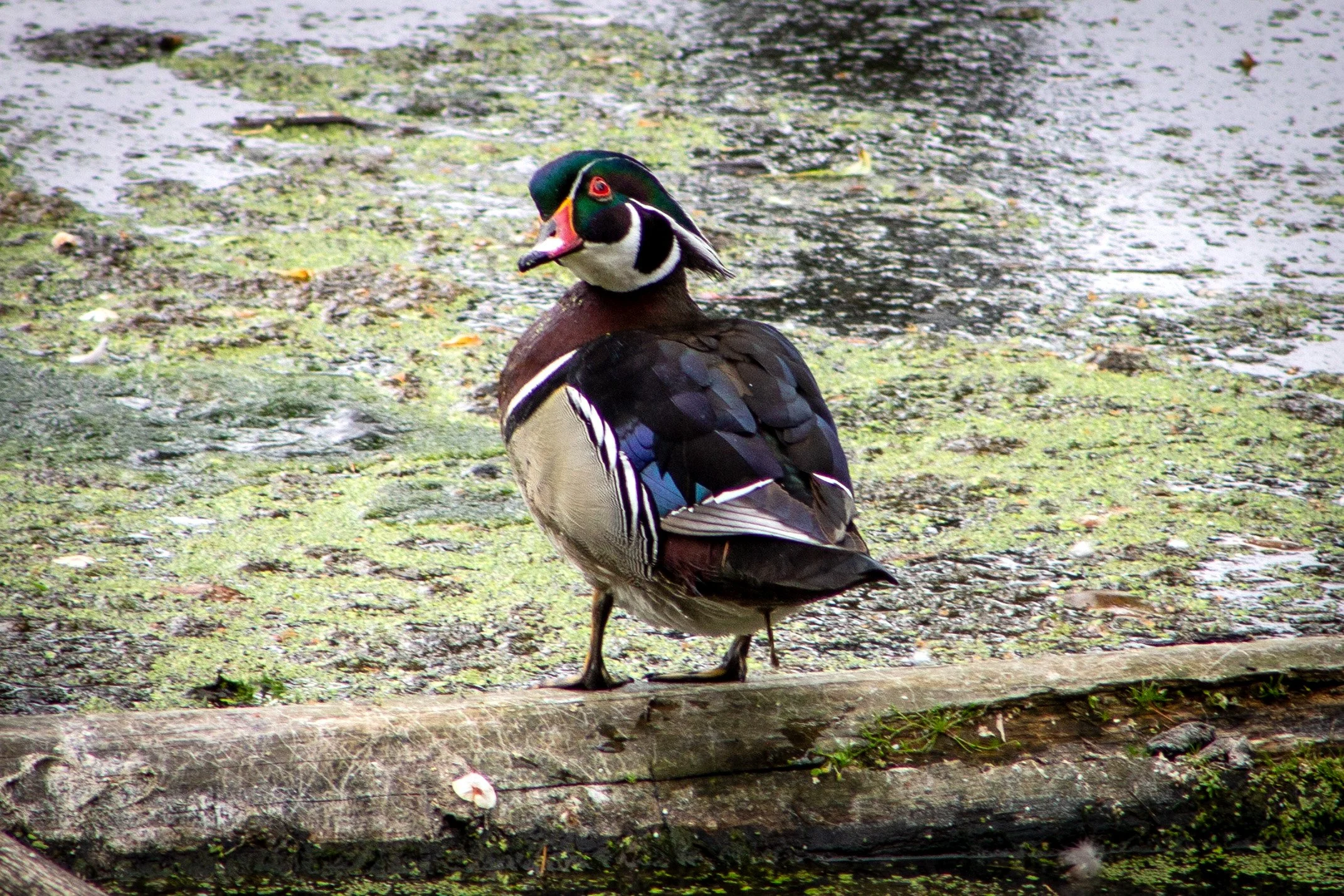
Wood duck at Crystal Springs
Animal highlight: Birds, especially ducks and geese
When to visit: All year. April and May to see the rhododendrons blooming.
Hiking: Less than 1 mile of walking on garden paths.
Amenities: Restrooms and benches
Dog-friendly: Yes, leashed dogs are welcome.
Cost: $9/adult admission
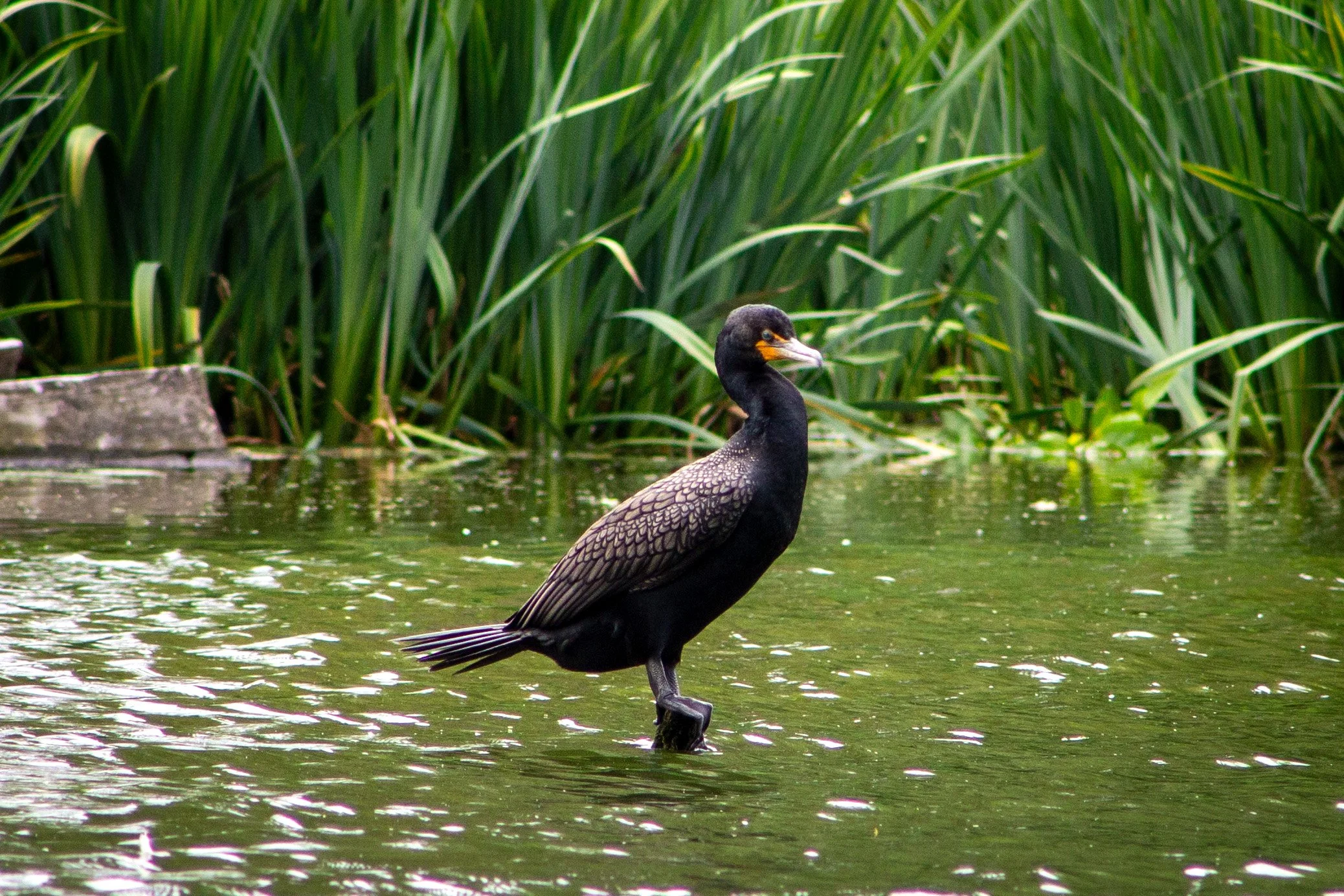
Crystal Springs Rhododendron Garden flies relatively under the radar for how cool it is. While too well-loved to be called obscure, it’s more of a local favorite than a major tourist draw. The most popular time to visit is in the spring, when hundreds of rhododendrons and azaleas bloom throughout the garden. Even if you miss the flowers, Crystal Springs is one of Portland’s best bird-watching spots. Trails take you past ponds that are favorite hangouts for ducks, geese, and herons. Mallards are what I see most here, but sometimes there’s a fun surprise like a wood duck or double-crested cormorant. A pair of bald eagles nest in the trees. Besides birds, I’ve seen many nutrias and squirrels.
2. Smith and Bybee Wetlands
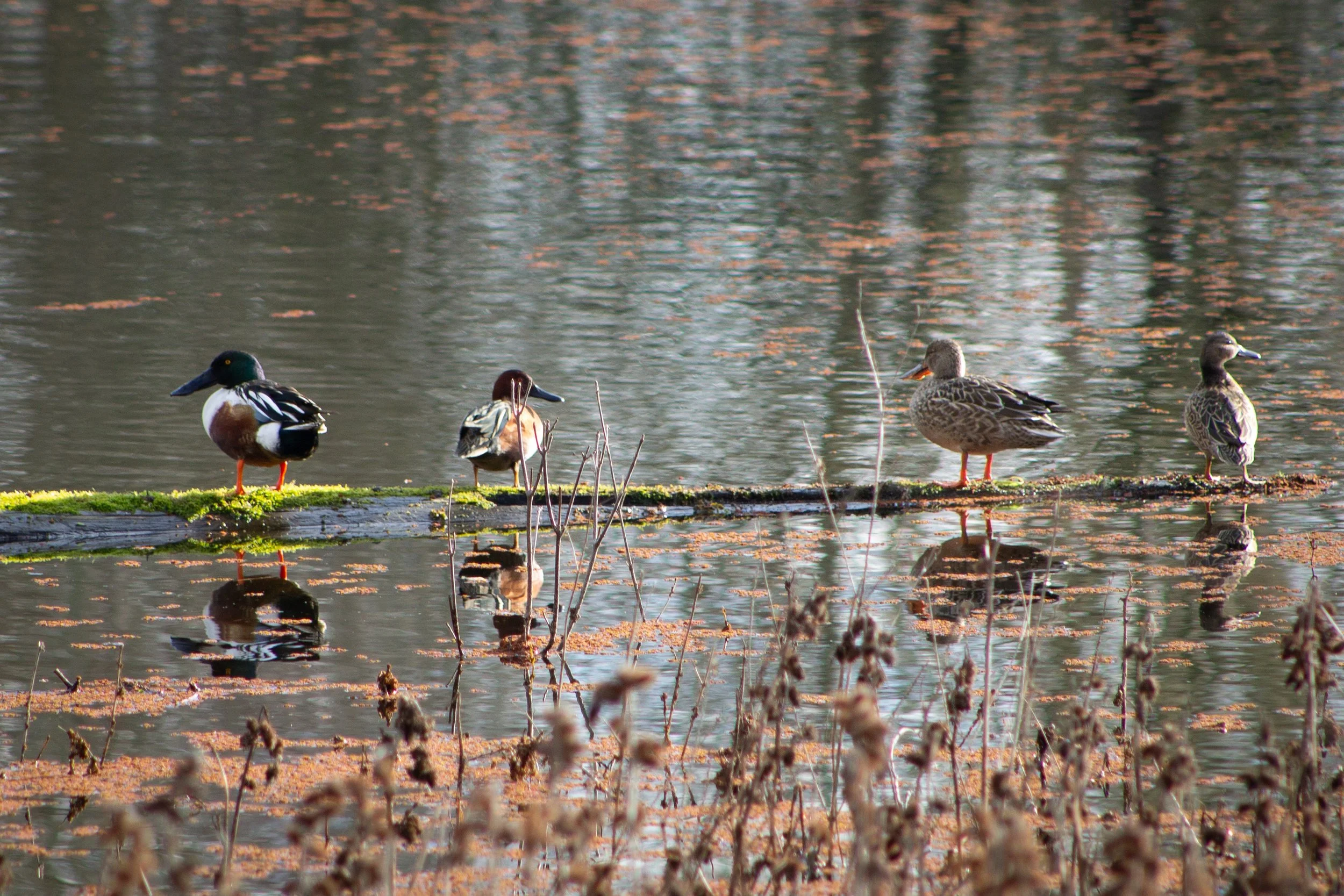
Northern shovelers in Smith Lake
Animal highlight: Birds
When to visit: All year. Winter is best for waterfowl. Late summer and early fall for white pelicans.
Hiking: Up to 1.5 miles. Trail surfaces are paved, flat, and even.
Amenities: Restrooms, picnic area, benches, and observation shelters
Dog-friendly: No, dogs are not allowed.
Cost: Free
Smith & Bybee Wetlands is a hidden gem tucked away in an otherwise industrial area of North Portland. Unlike Crystal Springs, I feel like I can call it obscure. The short paved trails offer some of the best accessible hiking in the city. They’re pleasant enough for a stroll, but the real attraction is birdwatching. The trails take you to viewing shelters on two small lakes, Smith Lake and Bybee Lake. Winter is the best time to see ducks and geese. Some shorebirds visit in the fall. Late summer and early fall are the best times to look for egrets and white pelicans. Migratory species visit in the spring. The wooded areas along the trails are good places to see songbirds, owls, squirrels, and rabbits.
3. Powell Butte
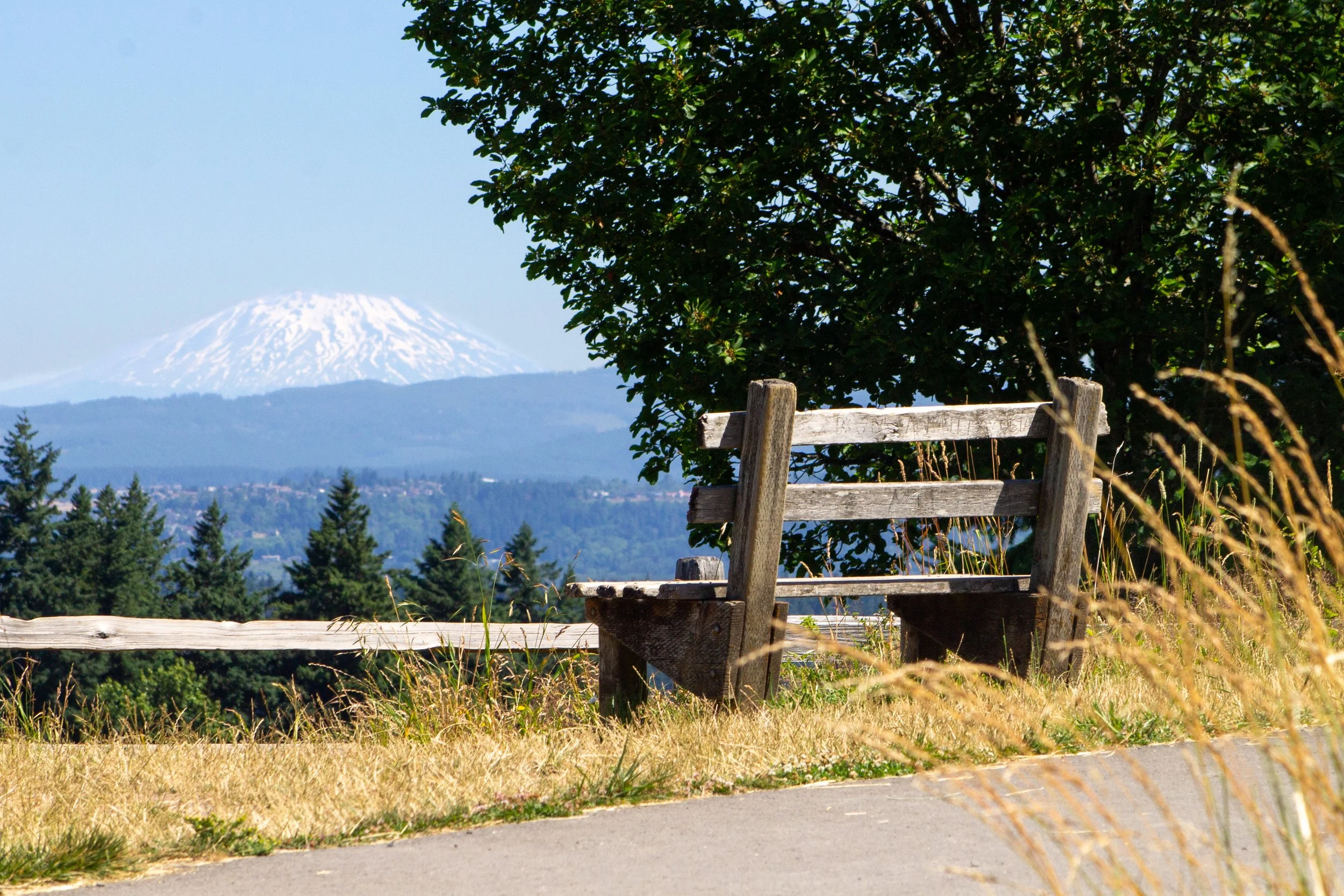
Mount St Helens from Powell Butte
Animal highlights: Songbirds, raptors, reptiles, deer, small mammals
When to visit: All year
Hiking: Optional, multiple trails
Amenities: Restrooms, picnic tables, and benches
Dog-friendly: Yes, leashed dogs are welcome on the trails.
Cost: Free
Powell Butte is a fantastic park in southeast Portland. Back when I lived in that part of town, I went about once a week. I would see animals on every visit, especially in the morning. Deer sometimes stand in the middle of the trail. Songbirds flit between berry bushes. Raptors fly overhead, on the hunt for critters in the grass. Powell Butte is an extinct volcano. On clear days, you can see multiple Cascade Mountain peaks from the summit. It’s a place you can hike as much or as little as you want. Picnic tables next to the parking lot have great views. Several trails explore the grassy summit and forested base of Powell Butte. Moving through different habitats helps increase your chances of spotting wildlife on your hike.
4. Oaks Bottom Wildlife Refuge
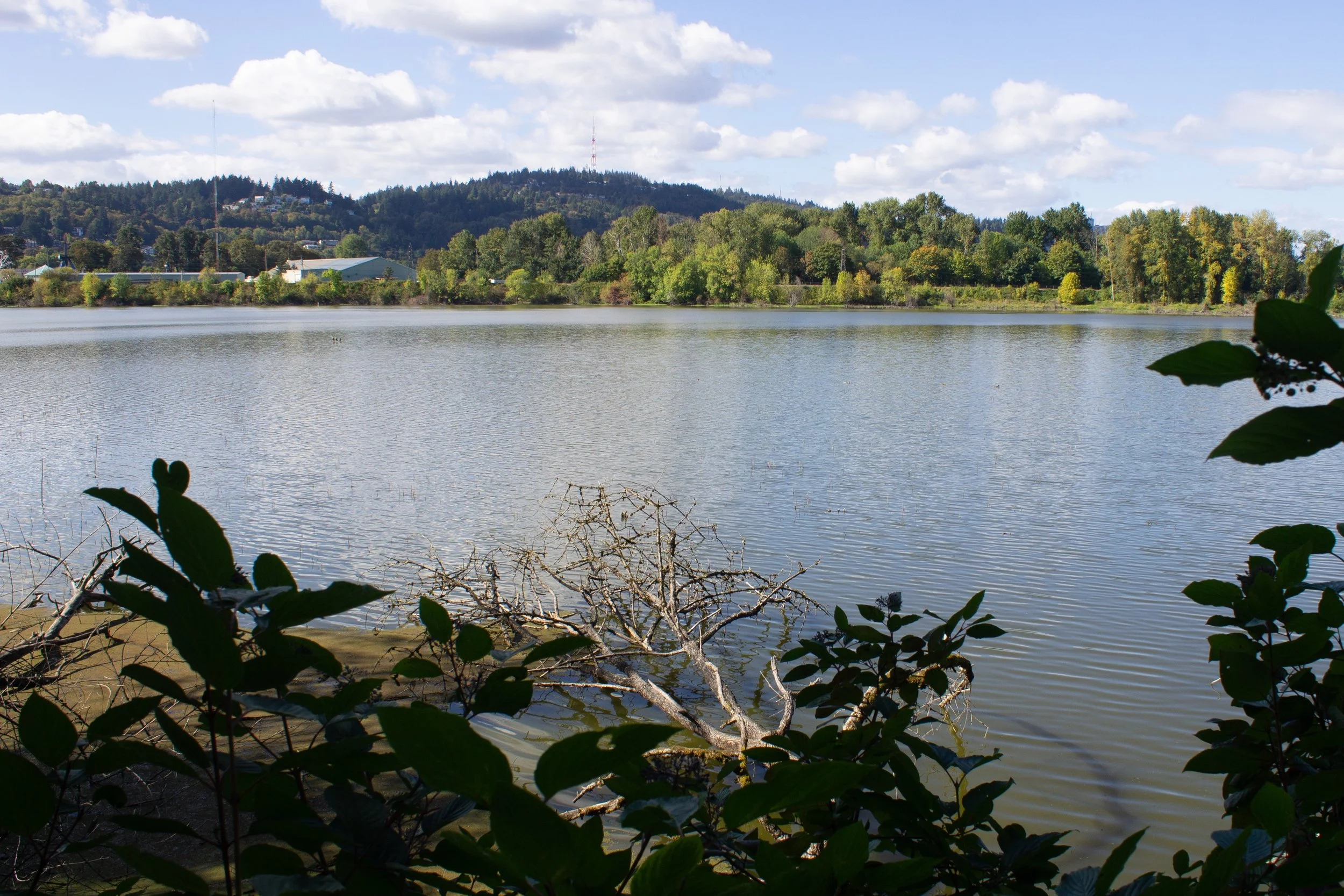
Oaks Bottom
Animal highlights: Birds and reptiles
When to visit: All year
Hiking: About 4 miles
Amenities: Restrooms and picnic tables in Sellwood Park
Dog-friendly: Yes, leashed dogs are welcome on the trails.
Cost: Free
Oaks Bottom in Sellwood has a mix of forest and wetlands that supports a variety of wildlife. It’s a place to look for ducks, geese, herons, bald eagles, turtles, frogs, and songbirds. In theory, you might spot a river otter or beaver. I never have, but Portland Parks says they’re around. If you visit in the spring, look for tadpoles in the Tadpole Pond. You can make a loop hike around Wapato Marsh, the seasonal lake at Oaks Bottom. The east side of the lake is quieter and, I think, better for spotting animals. On the west side, you join up with the Springwater Corridor bike trail, which gets crowded on nice days. You can access Oaks Bottom from several points. I usually start at Sellwood Park.
Honorable mentions in Portland
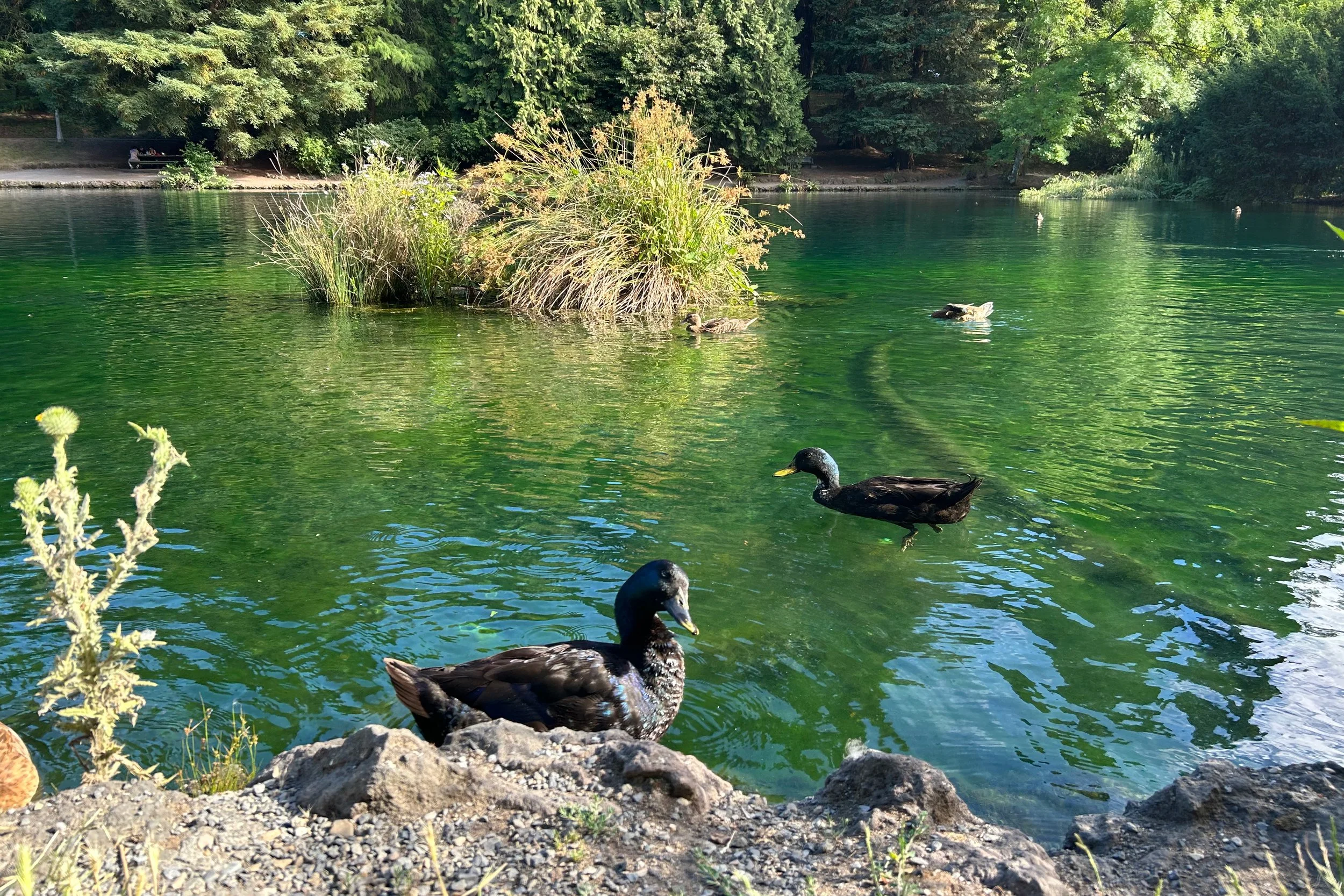
Laurelhurst Park
I hesitate to call the ducks in Laurelhurst Park wildlife. They get fed so much that they’re more like urban pets. Still, they’re delightful, and I’ve seen migratory species, like ring-necked ducks, in the mix with the domestic varieties.
Westmoreland Park in southeast Portland is a hotspot for birds, especially ducks. I’ve also seen a pair of muskrats in the little stream there.
Forest Park and the Oregon Bird Alliance trails are both good birdwatching spots, especially for songbirds. Many other animals live in the park, although they tend to keep their distance from hikers. I know someone who lives on the edge of Forest Park. He told me he’s seen bobcats on a motion-sensor camera. So they’re out there.
The paved hiking and biking trail along Marine Drive follows the Columbia River, where you’ll have a good chance of spotting waterfowl and shorebirds. I also saw a sea lion from the trail once.
Tom McCall Waterfront and the Eastbank Esplanade on either side of the Willamette River are places to look for ducks and geese. I’ve seen bald eagles before. Once in a blue moon, I see a sea lion in the river.
Wildlife hotspots near Portland
If you’re up for a bit of a drive, these are excellent wildlife-watching spots within an hour of Portland.
5. Sauvie Island
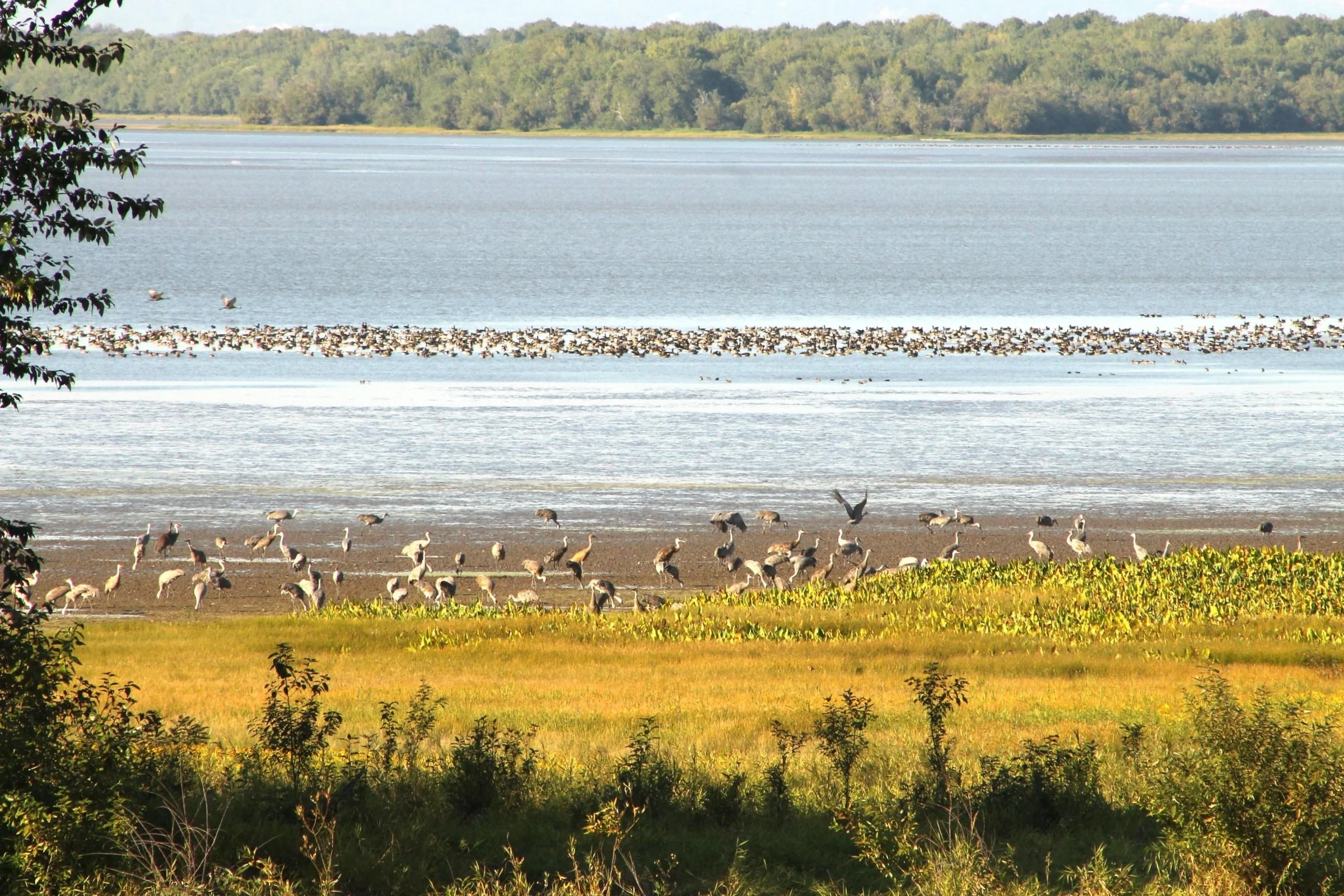
Sandhill cranes on Sauvie Island
Animal highlights: Sandhill cranes and bald eagles
When to visit: All year. Fall and winter for the sandhill crane migration. Some areas close seasonally.
Hiking: Optional. Check out my Sauvie Island hiking guide.
Amenities: Port-a-potties at beaches and trailheads
Dog-friendly: Mostly, yes, but check the places you’re going before heading out.
Cost: Beaches and wildlife areas require an ODFW permit ($10/day).
Drive time from Portland: 30 minutes
Only 30 minutes from downtown Portland, Sauvie Island feels like a different world. Country roads wind past farms, orchards, and beaches at the confluence of the Willamette and Columbia Rivers. The natural areas are oak savannas and cottonwood groves rather than Doug fir and cedar forests. Over 250 bird species visit Sauvie Island. Winter is the best time to look for bald eagles. Any time of year, you can’t miss their giant nests on the phone poles. Winter is also a great time to spot many types of ducks, geese, and swans. You might see white pelicans in the summer or fall. Songbirds are around all year. The biggest wildlife highlight is the sandhill crane migration in the fall, when thousands of birds visit Sauvie Island’s fields and wetlands. November is a great time to look, although you might spot them throughout the winter. I usually hear them before I see them. Listen for distinctive gurgling calls. They’re not subtle birds.
6. Ridgefield National Wildlife Refuge
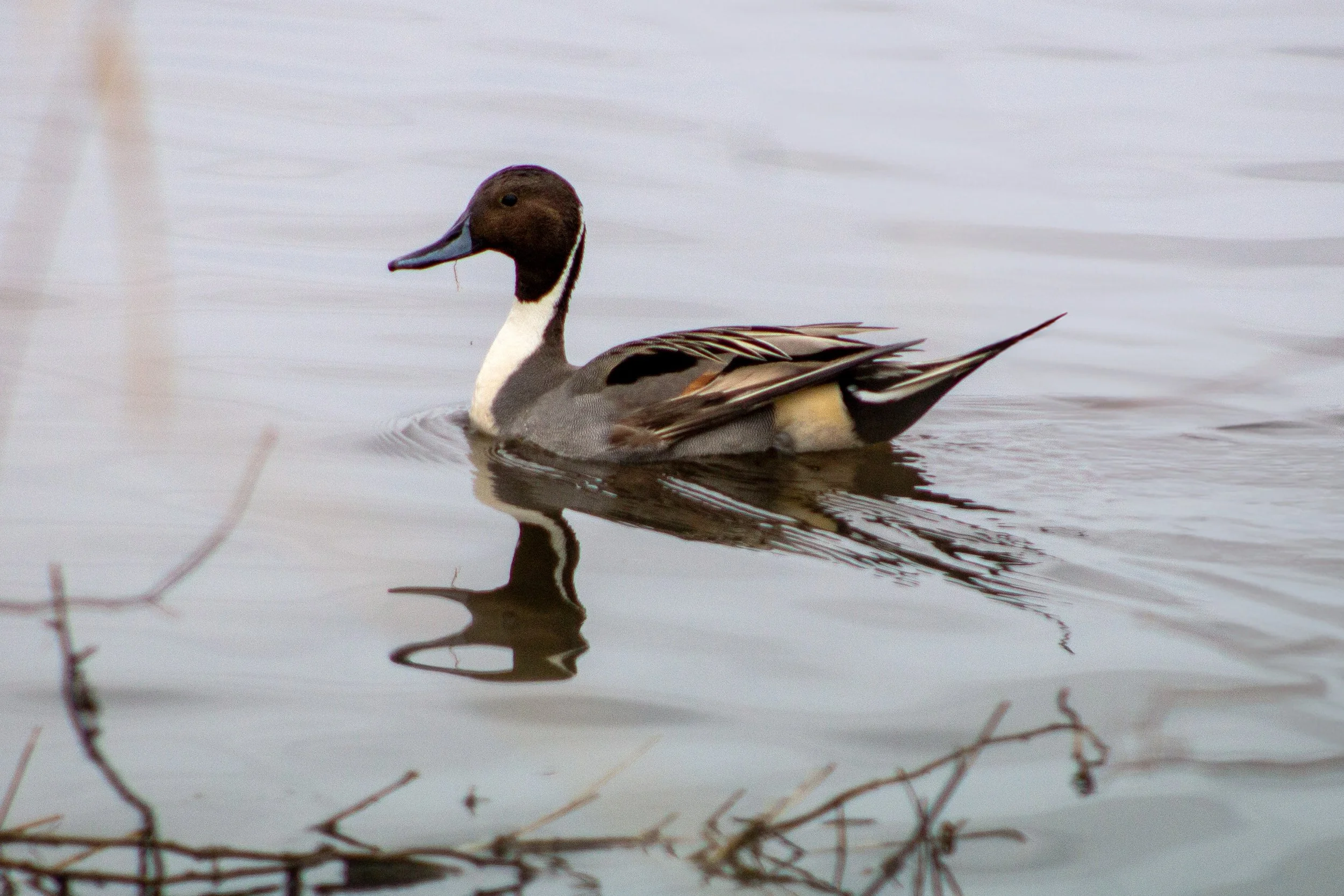
Northern pintail at Ridgefield NWR
Animal highlight: Birds
When to visit: All year. Parts of the refuge close seasonally. It’s fully open from May through September.
Hiking: Optional
Amenities: Restrooms, picnic tables, observation shelter, benches
Cost: $3/day, annual pass, or America the Beautiful Pass
Drive time from Portland: 45 minutes
Parts of Ridgefield National Wildlife Refuge close seasonally to protect the birds, but it’s worth visiting at any time of year. From October through April, only one short hiking trail is open. The main attraction is the auto tour, a 4-mile drive around the refuge's wetlands. The cars drive slowly, so the birds tend to go about their business. You’ll have many opportunities to pull over and watch them from the car. Winter is a great time to look for trumpeter swans, tundra swans, sandhill cranes, geese, and many types of ducks. I saw a few bald eagles when I went, plus herons, egrets, redwing blackbirds, sparrows, and finches. And, as always, many nutrias. The year-round hiking trail had some songbirds, squirrels, and deer. Besides the animals, Ridgefield has an impressive plank house in an Oregon white oak forest. From May through September, more trails open up, and you can drive or hike the auto tour route.
7. Steigerwald Lake National Wildlife Refuge
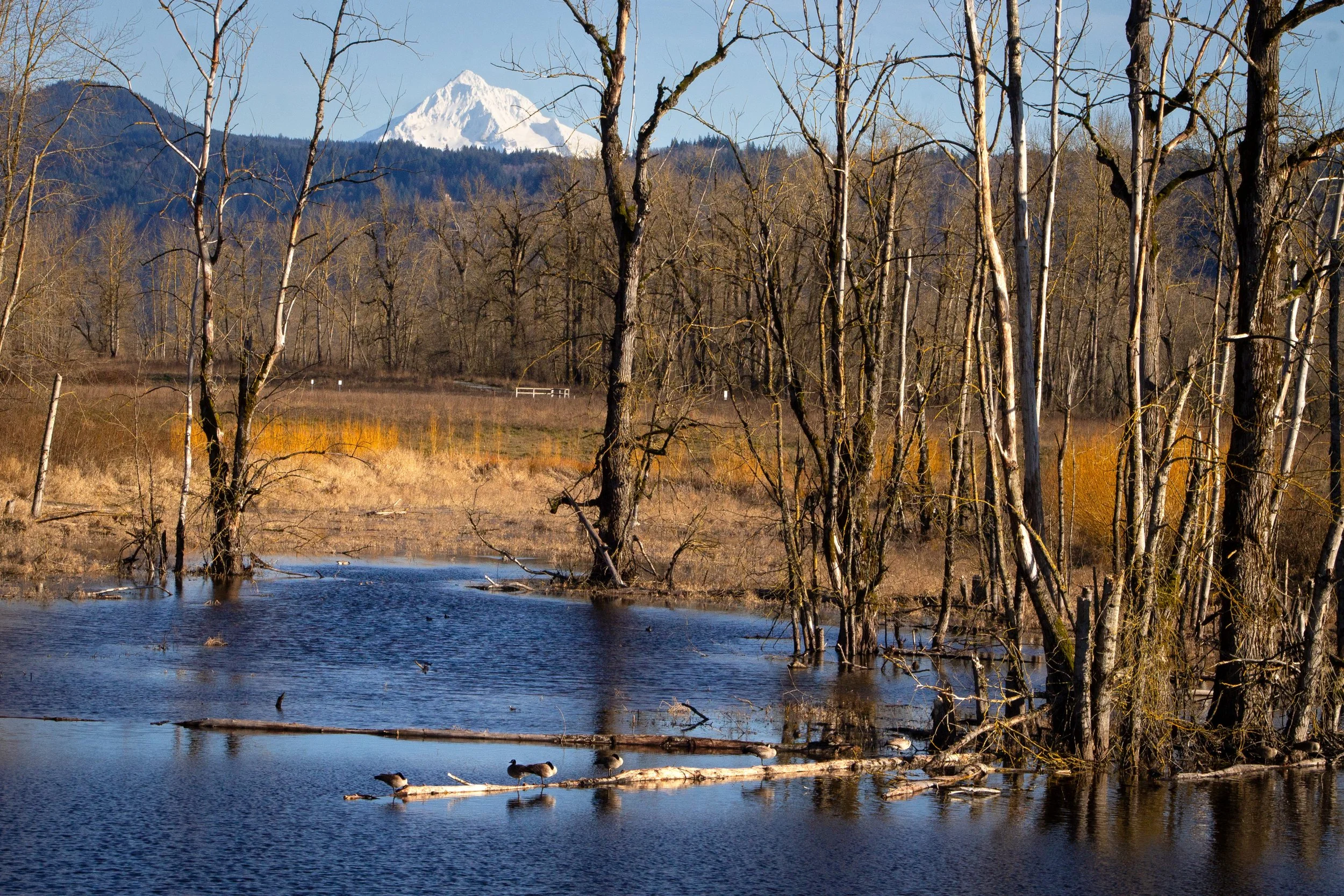
Mount Hood view at Steigerwald Lake NWR
Animal highlight: Birds
When to visit: All year. A short portion of one hiking trail is closed from October through April.
Hiking: 2-6 miles
Amenities: Restrooms and benches
Dog-friendly: Mostly not. There’s one trail that allows dogs if you start from Captain William Clark Park.
Cost: Free
Drive time from Portland: 30 minutes
Steigerwald Lake National Wildlife Refuge is a place you’ll want to bring binoculars. People have reported sightings of over 200 bird species. Most don’t get close to the hiking trails, but the land is open enough to spot them from a distance. The wetlands are good places to look for ducks, geese, swans, herons, egrets, grebes, and mergansers. In the fall, you might see sandhill cranes. In winter, tundra and trumpeter swans. Overhead, look for bald eagles, ospreys, northern harriers, and red-tailed hawks. Summer is a good time to watch for reptiles and songbirds. In the spring, you’ll see migratory species. Other than wildlife, the refuge has views of the Columbia River, Vista House, and, on clear days, Mount Hood’s summit.
8. Tualatin River National Wildlife Refuge
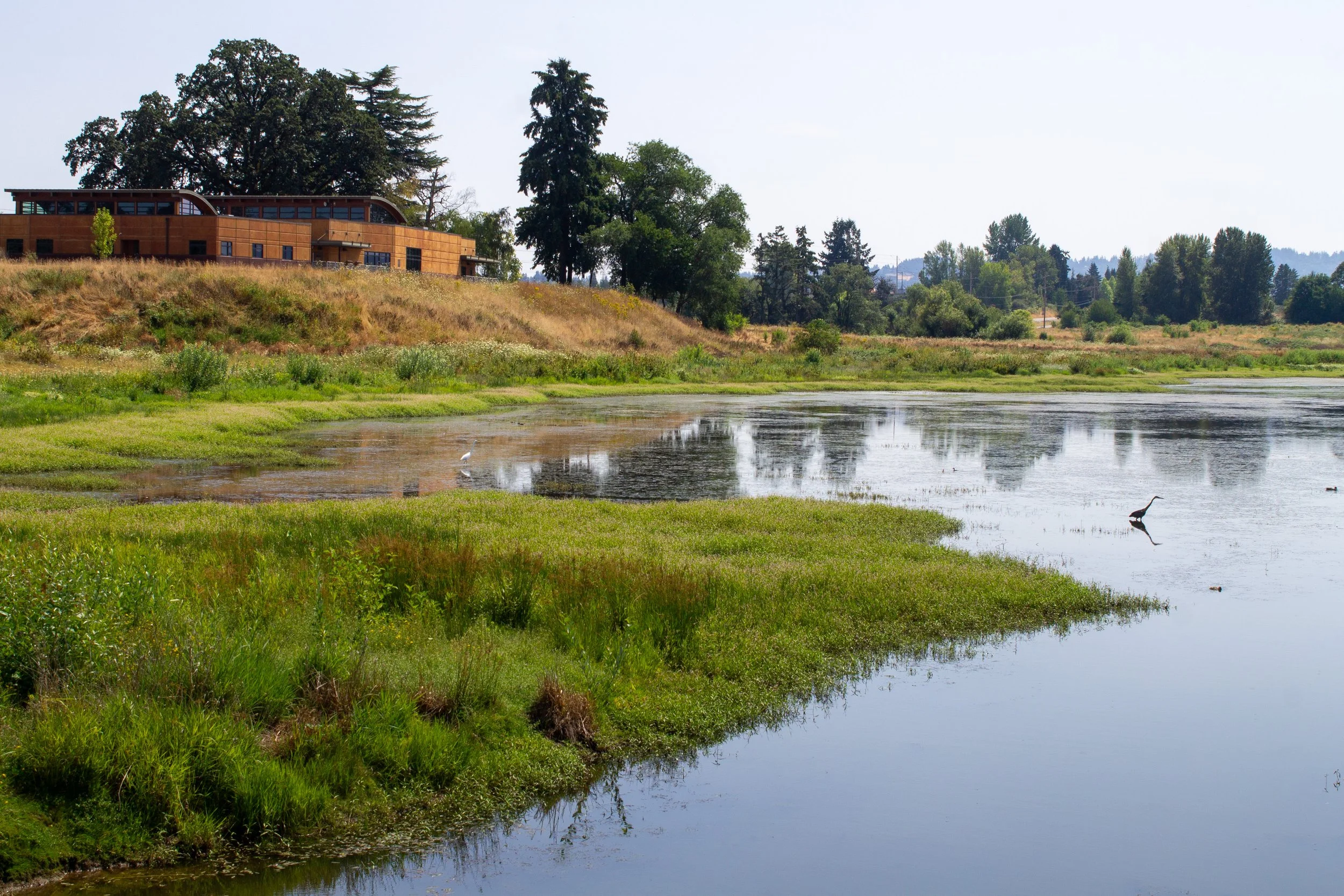
Tualatin River NWR
Animal highlights: Birds, reptiles, mammals
When to visit: All year, fully open May through September.
Hiking: Optional, one year-round and one seasonal trail.
Amenities: Restrooms, drinking water, observation platform
Dog-friendly: No, dogs are not allowed.
Cost: Free
Drive time from Portland: 30 minutes
I stopped at Tualatin River National Wildlife Refuge on my way back to Portland after a morning spent at the lavender farms in Dundee. I went on a whim without any expectations or much time to linger, but I really enjoyed my visit. There’s a visitor center with an indoor wildlife viewing area. A seating area and scopes make wildlife watching accessible to all visitors. Outside, easy hiking trails explore a wetland area with tons of animals. Over 200 species of birds visit the refuge, plus reptiles, mammals, and amphibians. On a short visit, I saw herons, songbirds, tadpoles, and, of course, a nutria.
9. Wapato Lake National Wildlife Refuge
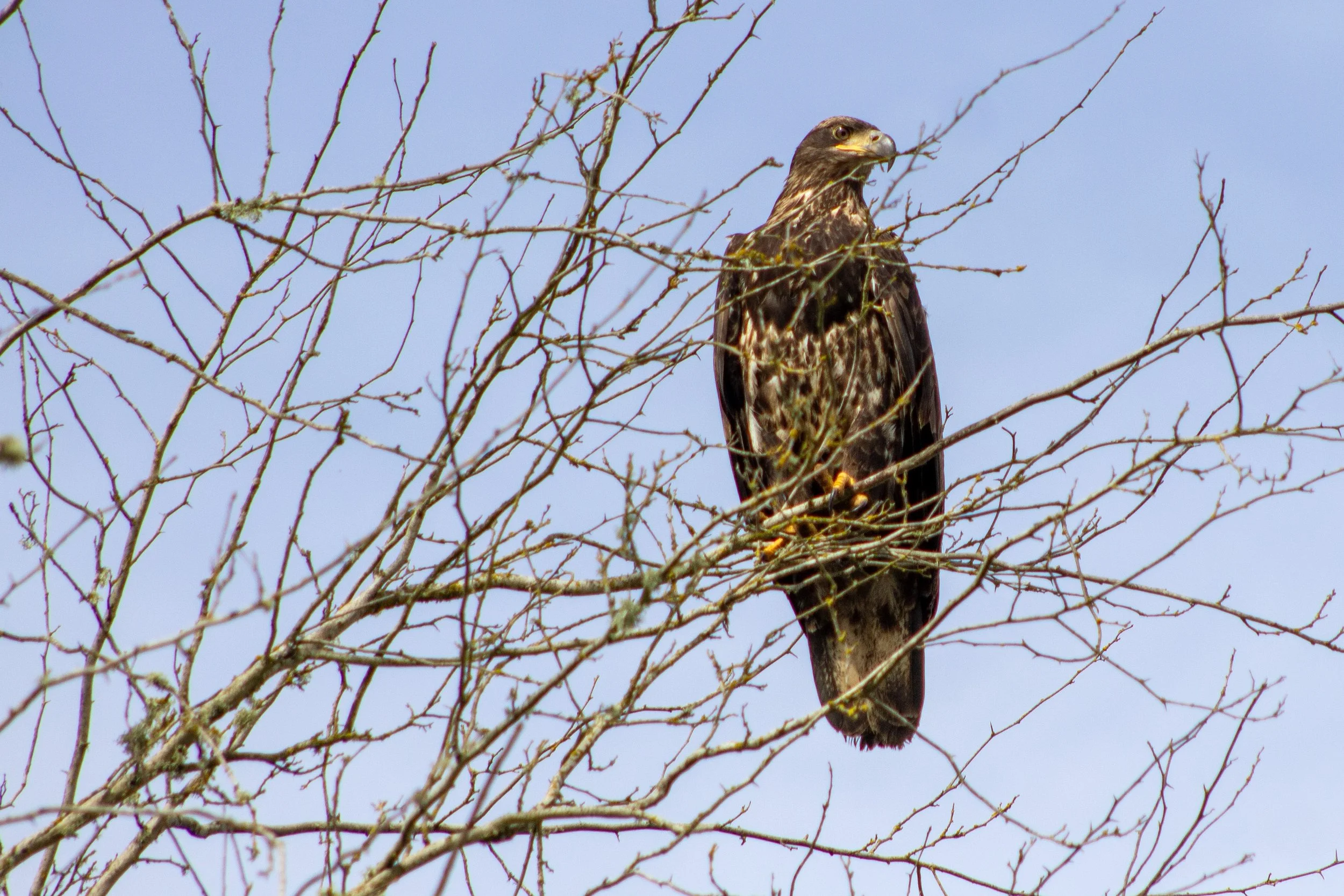
Juvenile bald eagle at Wapato Lake NWR
Animal highlight: Birds and reptiles
When to visit: Best from February 16th to September 30th when trails are fully open. Permitted hunters only in December and January.
Hiking: From 1 mile to 6 miles
Dog-friendly: No, dogs are not allowed.
Amenities: Restrooms (closed when I visited), benches, observation shelters
Cost: Free
Drive time from Portland: 45 minutes
Wapato Lake National Wildlife Refuge is one of the newer wildlife watching destinations near Portland. The trails opened to the public in 2023. If you walk the whole thing, it’s about 6 miles total, but it’s more of a place to stroll and look at birds than a hiking destination. The trail is along Wapato Lake, where you’re likely to see herons, ducks, geese, and shorebirds. Redwing blackbirds perch on the vegetation around the wetlands. Look for raptors in the trees and flying overhead. Other than birds, I saw many garter snakes, one muskrat, and the usual abundance of nutrias. The refuge is in Oregon’s wine country, so after your visit, it’s easy to stop for a tasting flight at a vineyard.
10. Fernhill Wetlands
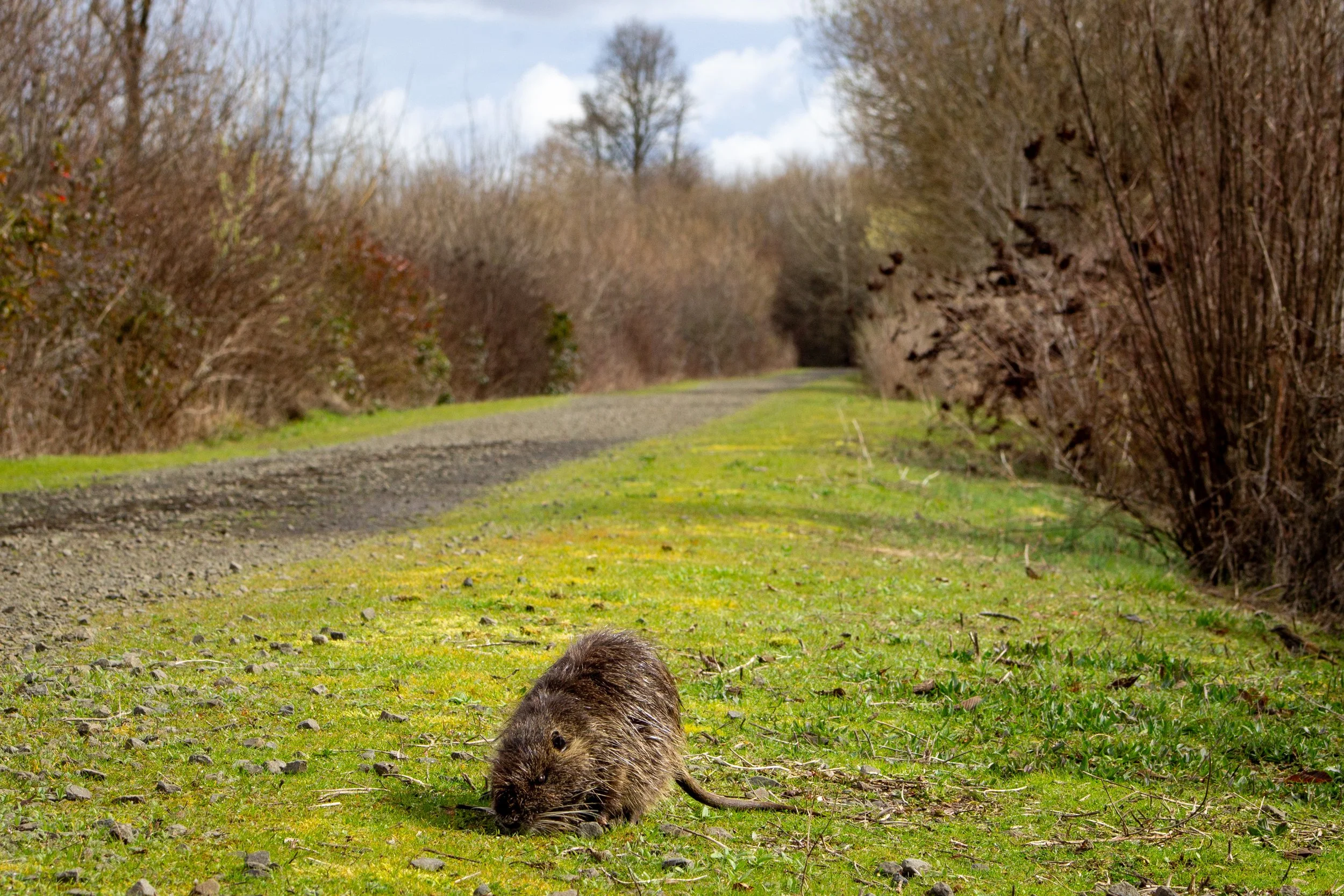
Nutria at Fernhill Wetlands
Animal highlight: Birds
When to visit: All year
Hiking: Optional, multiple trails
Amenities: Restrooms, covered picnic area, benches, observation shelters
Dog-friendly: No, dogs are not allowed.
Cost: Free
Drive time from Portland: 35 minutes
Fernhill Wetlands is probably the most unlikely wildlife-watching hotspot near Portland. It’s not a park, but a sewage treatment facility that allows public access. Oh, lucky public. Despite the unpromising concept, it’s a lovely place with fantastic bird-watching. There’s no sewage smell. Instead, you’ll find the most duck-filled duck ponds around, especially if you visit in the winter. On my early spring visit, I was impressed by the variety: mallards (inevitably), gadwalls, cinnamon teals, northern shovelers, ring-necked ducks, wood ducks, coots, and green-winged teals. Other birds were Canada geese, hummingbirds, sparrows, spotted towhees, and a bald eagle. I hear tundra swans visit in the winter. Other than birds, there are nutrias everywhere you look. Also, muskrats and beavers, although they’re not as bold. You don’t need to hike to see the animals, but a few flat and easy trails explore the wetlands.
11. Jackson Bottom Wetlands
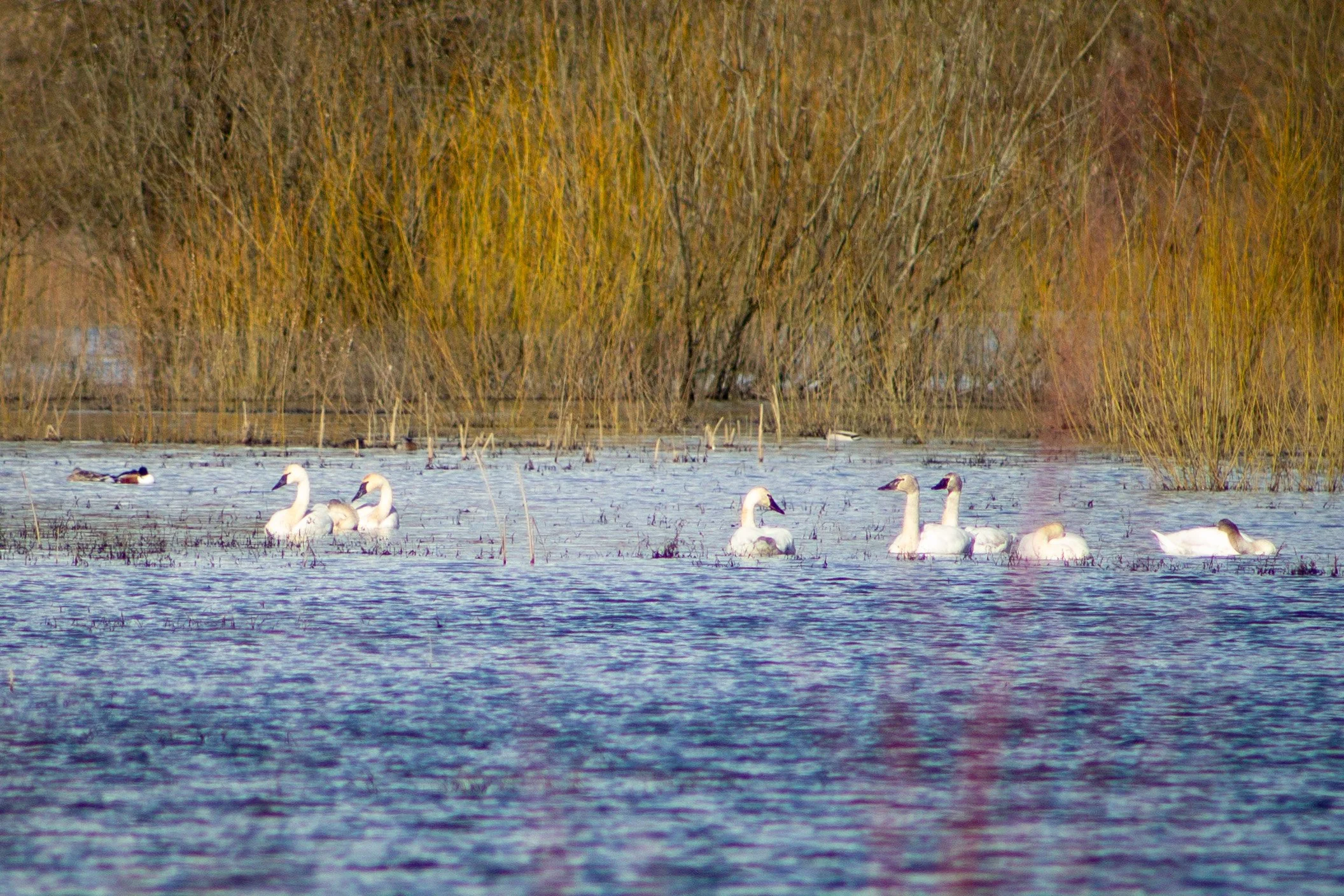
Swans at Jackson Bottom Wetlands
Animal highlight: Birds
When to visit: All year
Hiking: Multiple trails
Amenities: Restrooms, drinking water, benches
Dog-friendly: No, dogs are not allowed.
Cost: $2 suggested donation
Drive time from Portland: 30 minutes
Jackson Bottom Wetlands is a short drive from Fernhill Wetlands, and can be a good birdwatching double feature. Easy hiking trails explore forest and wetland areas that are habitats for songbirds, raptors, waterfowl, shorebirds, mammals, and reptiles. You don’t have to hike to watch for wildlife. The large shaded back porch behind the visitor center is a pleasant place to sit with binoculars and see what comes flying by. If you do go for a walk, you’ll find regular benches and viewpoints overlooking wetlands full of ducks, geese, herons, and, sometimes, swans.
12. Jewell Meadows Wildlife Area
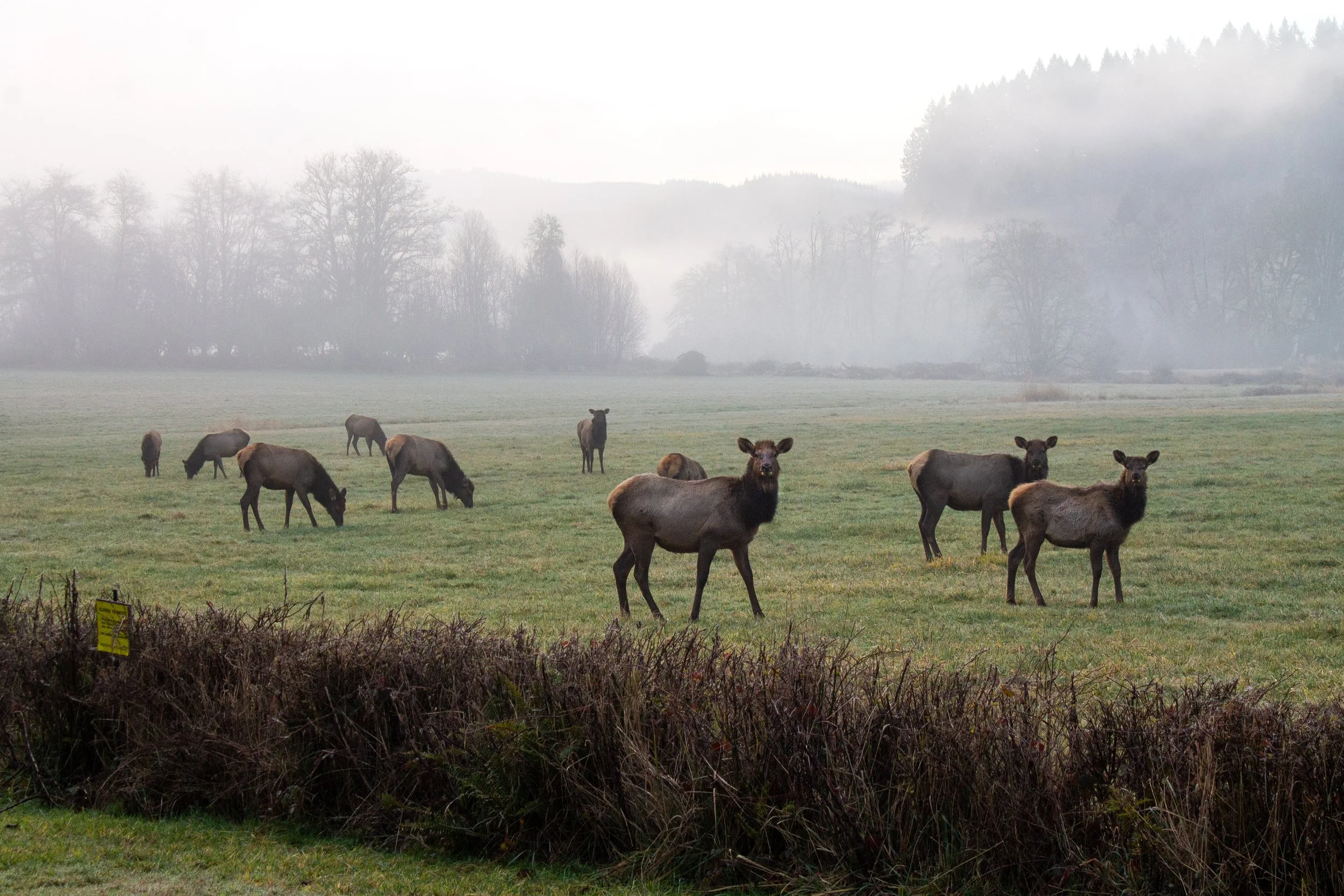
Elk at Jewell Meadows
Animal highlight: Roosevelt elk
When to visit: Winter
Hiking: No
Amenities: Restrooms, picnic tables, benches
Dog-friendly: Yes, leashed dogs are welcome.
Cost: $10/day or annual ODFW permit. Buy online before you arrive.
Drive time from Portland: 75 minutes
Jewell Meadows Wildlife Area is the only destination on the list outside a 1-hour drive from Portland. I made an exception because it’s awesome. Other than Dean Creek in southern Oregon, it’s the best elk viewing spot I’ve visited. The best time to go is in the winter. Cooler temperatures make the elk more likely to stay out in the open, and the Oregon Department of Fish & Wildlife runs a supplemental feeding program. If you are very committed, you can make a reservation to tag along on an elk feeding tour from December through February. Reservations are free, but hard to get. You need to call when they open for the year (8 AM, December 1st) and keep calling until you get through. When you’re able to talk to a ranger, please be kind. It’s a tough system for them, too. If you’re not trying to do all that, just drive out to Jewell Meadows from November through March. Morning and evenings are the best times, but I’ve seen elk in the fields at midday.
13. Bonneville Dam
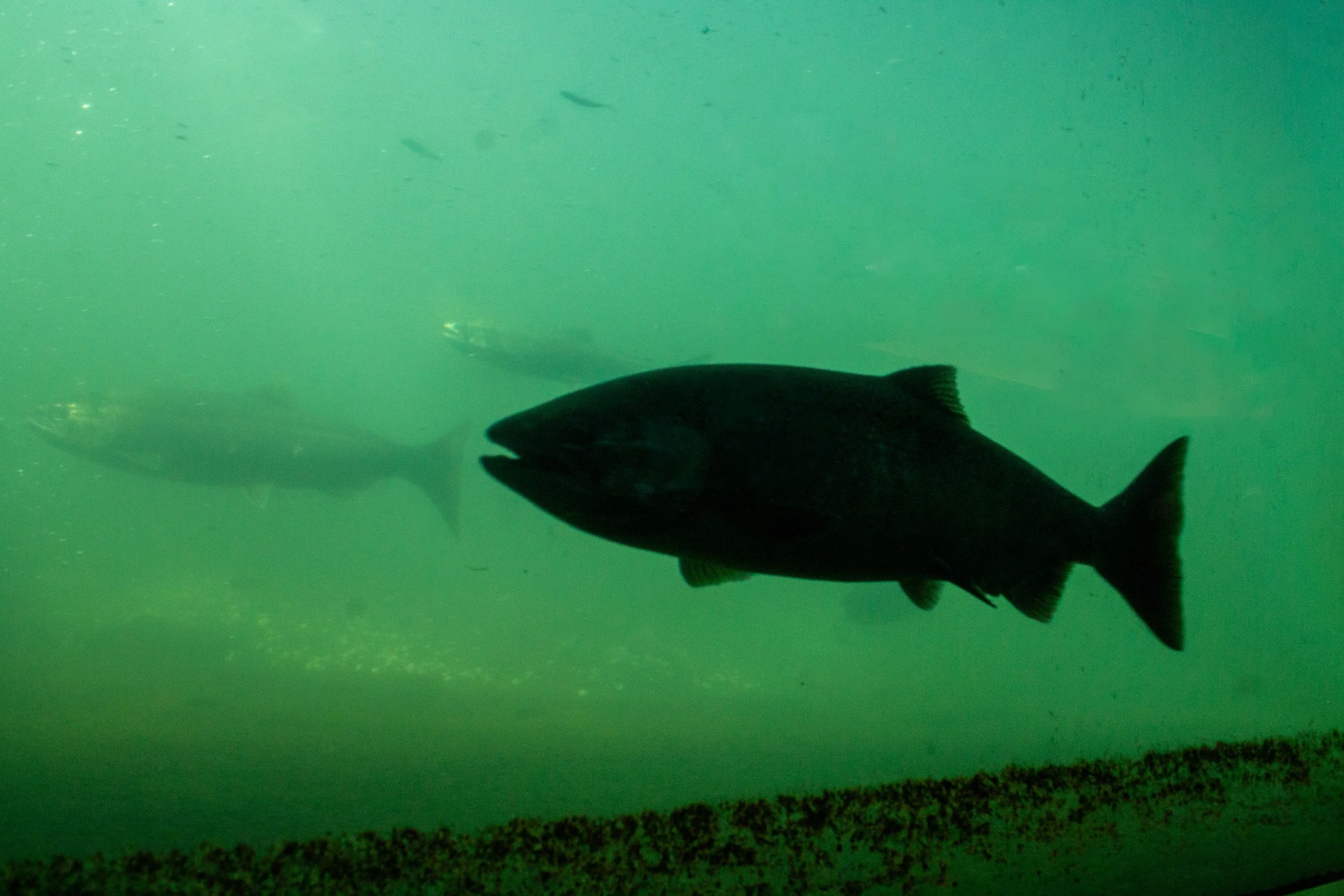
Underwater viewing window at Bonneville Dam
Animal highlight: Fish, especially salmon and steelhead
When to visit: Best in the fall, especially around early September
Hiking: No
Amenities: Restrooms, picnic tables, benches
Dog-friendly: No, dogs are not allowed.
Cost: Free
Drive time from Portland: 45 minutes
Visiting Bonneville Dam an easy way to witness one of Oregon’s most impressive migrations. Underwater viewing windows in the dam allow the public to watch the fish making their way up the fish ladders. The most interesting time to visit is during the salmon and steelhead migration in the early fall, but you might see something in the viewing windows any time of year. June is a great time to look for shad. Lampreys sometimes cling to windows with their sucker mouths. I watched a cormorant diving on one visit. While you’re at Bonneville, stop by the fish hatchery. Decorative pools are filled with rainbow trout. Viewing windows give you a glimpse of the sturgeon pond, where you can see Herman, a 500-pound white sturgeon.
14. Oxbow Regional Park
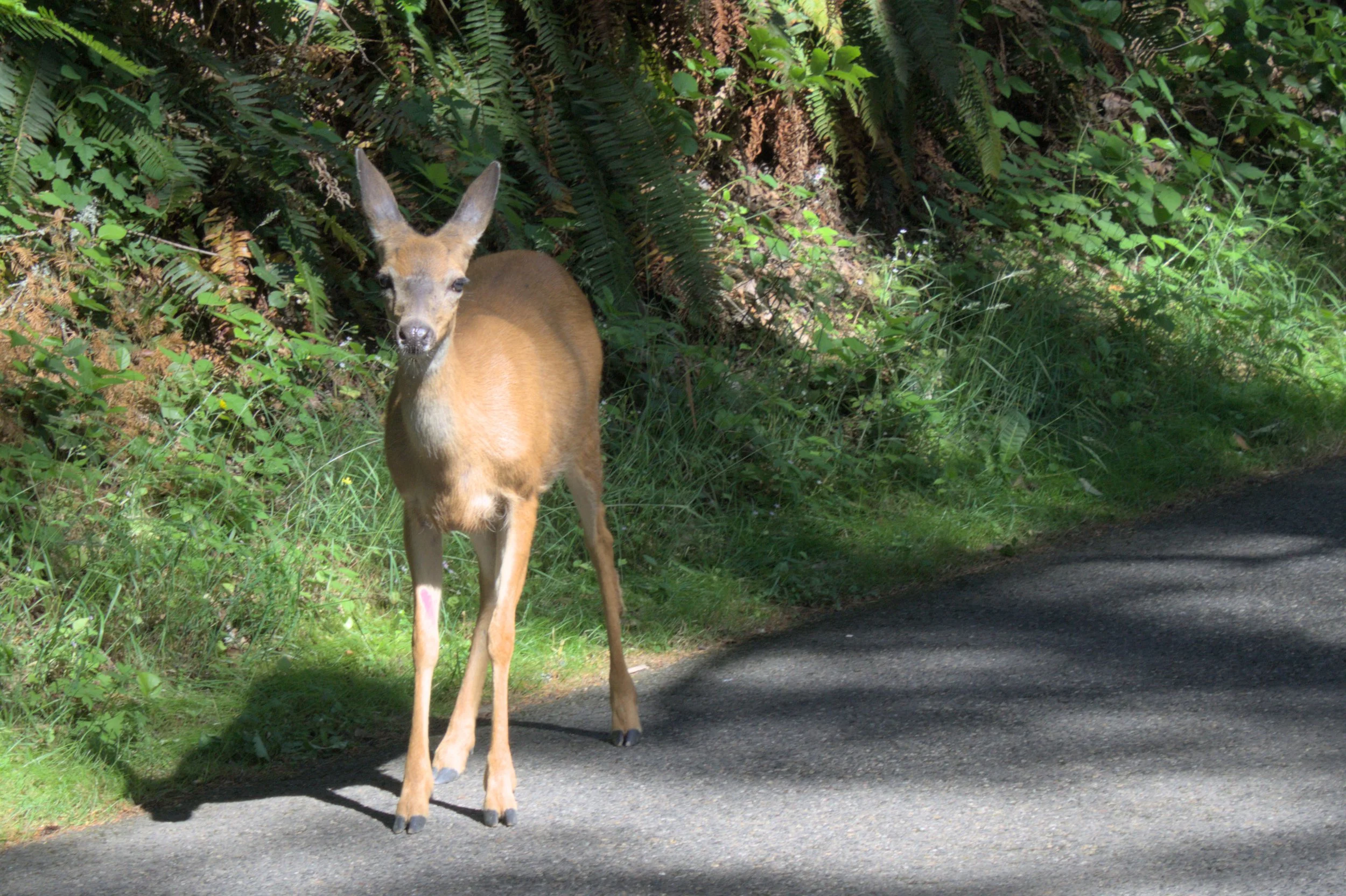
My hiking buddy at Oxbow Regional Park
Animal highlight: Deer
When to visit: All year
Hiking: Multiple trails
Amenities: Restrooms, picnic tables, playgrounds, campground
Dog-friendly: No, dogs are not allowed.
Cost: $5/day or annual Metro park pass
Drive time from Portland: 40 minutes
Normally, when I’m taking pictures of animals, I hope they won’t get spooked and leave. At Oxbow Regional Park, I had the opposite problem. Curious deer walked up so close that I was the one backing away. One deer followed me for a bit. Another munched on a bush next to where I was eating my lunch. In other words, it’s a place you’ll have company even if you come alone. Besides deer, you might spot songbirds, bald eagles, ospreys, banana slugs, and small mammals. Elk visit the park, although I’ve never seen them. In the fall, migrating salmon come up the Sandy River. In the summer, Oxbow is a popular floating and swimming spot.
15. Goat Island
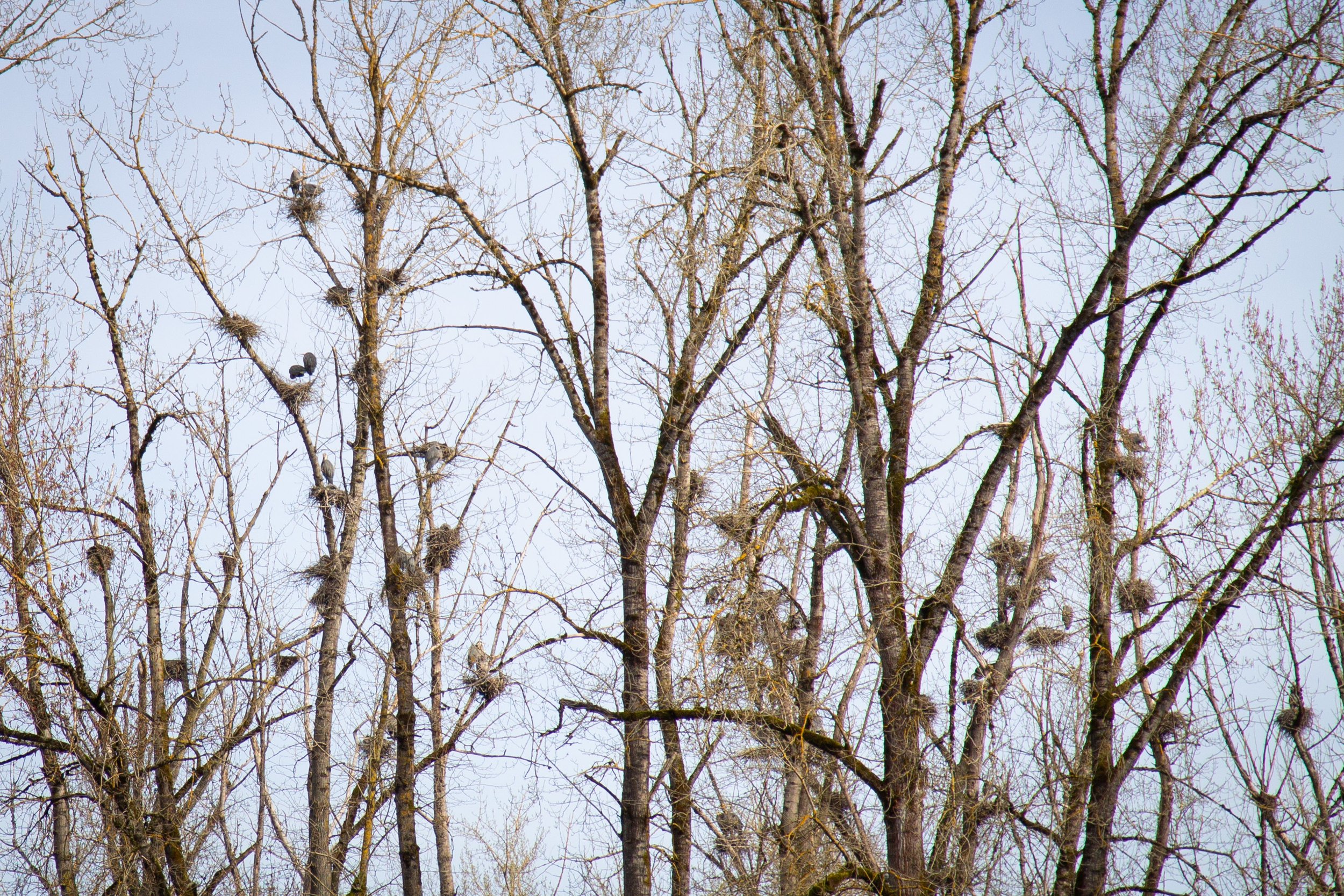
Heron rookery on Goat Island
Animal highlight: Great blue herons
When to visit: Around March to early June
Hiking: Optional short trail
Amenities: Port-a-potty and picnic tables
Dog-friendly: Yes, leashed dogs are welcome.
Cost: Free
Drive time from Portland: 20 minutes
Goat Island has one of the largest heron rookeries in the Portland area. Since it’s on an island in the Willamette River, it has the double advantage of being protected from human disturbance, while still visible to birdwatchers. To visit the herons, head to Maddox Woods Park in West Linn between late February and early June. They’re easiest to see in early spring before the leaves are out. On my March visit, dozens of herons were collecting material to finish their nests. They perch in the trees, swooping down periodically to bring back sticks and such. Maddox Woods Park is small. River views and heron watching are the main attractions. It has a couple of picnic tables and many signs with heron facts. If you’d like to stretch your legs, a short trail starts from the parking lot and heads through the woods for a half mile or so.
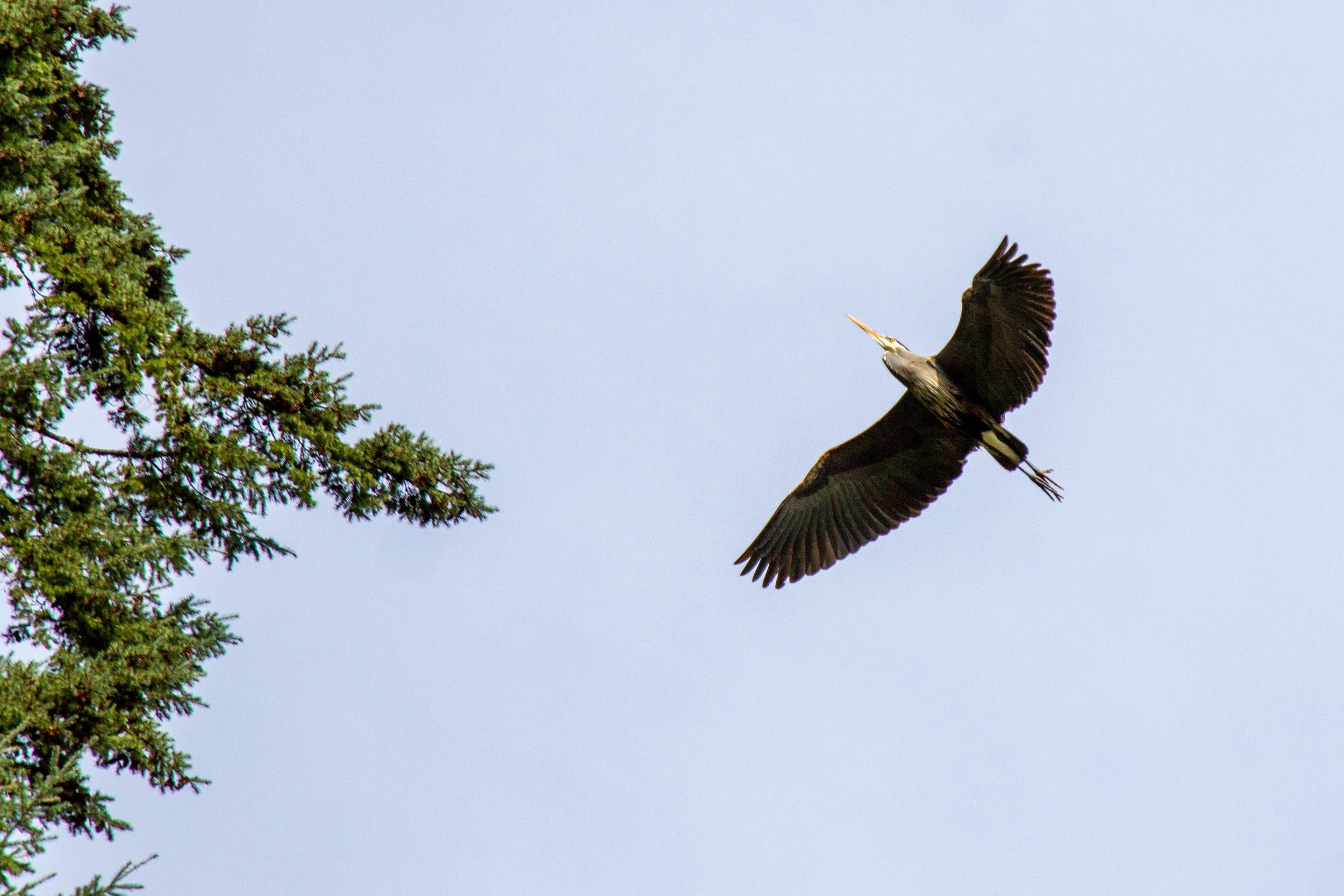
Heron flying to collect tree branches for nesting material
Best wildlife-watching near Portland, the summary:
Crystal Springs Rhododendron Garden
Smith and Bybee Wetlands
Powell Butte
Oaks Bottom
Sauvie Island
Ridgefield National Wildlife Refuge
Steigerwald Lake National Wildlife Refuge
Tualatin River National Wildlife Refuge
Wapato Lake National Wildlife Refuge
Fernhill Wetlands
Jackson Bottom Wetlands
Jewell Meadows Wildlife Area
Bonneville Dam
Oxbow Regional Park
Goat Island
Enjoy the wildlife watching!
With love,
Emma
Explore nearby

Find the best places to see wildlife on the Oregon Coast.

Visit the best beaches for tidepools on the Oregon Coast.